

-


-


-


-


WeChat

-
whatsapp

Qingdao Zhaoyuqi Mechanical Engineering Co.,Ltd
Qingdao Zhaoyuqi Mechanical Engineering Co.,Ltd
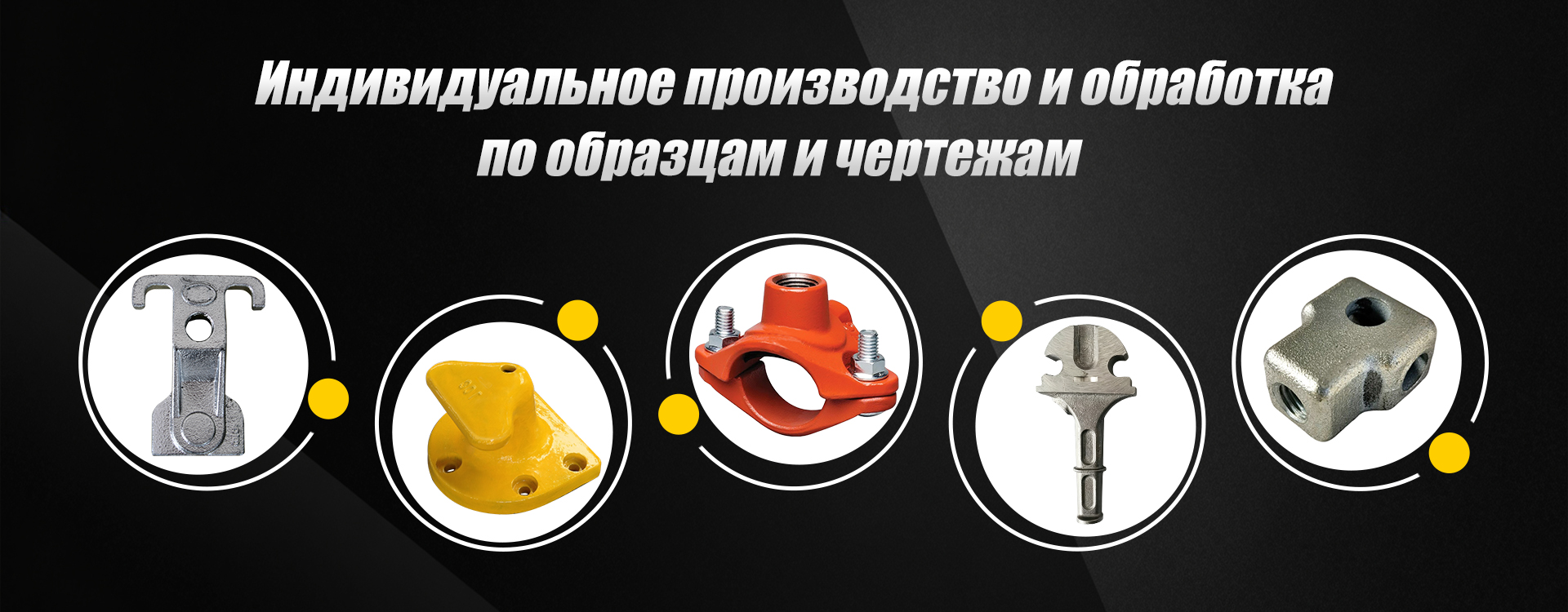
Our products
Qingdao Zhaoyuqi Mechanical Engineering Co.,Ltd
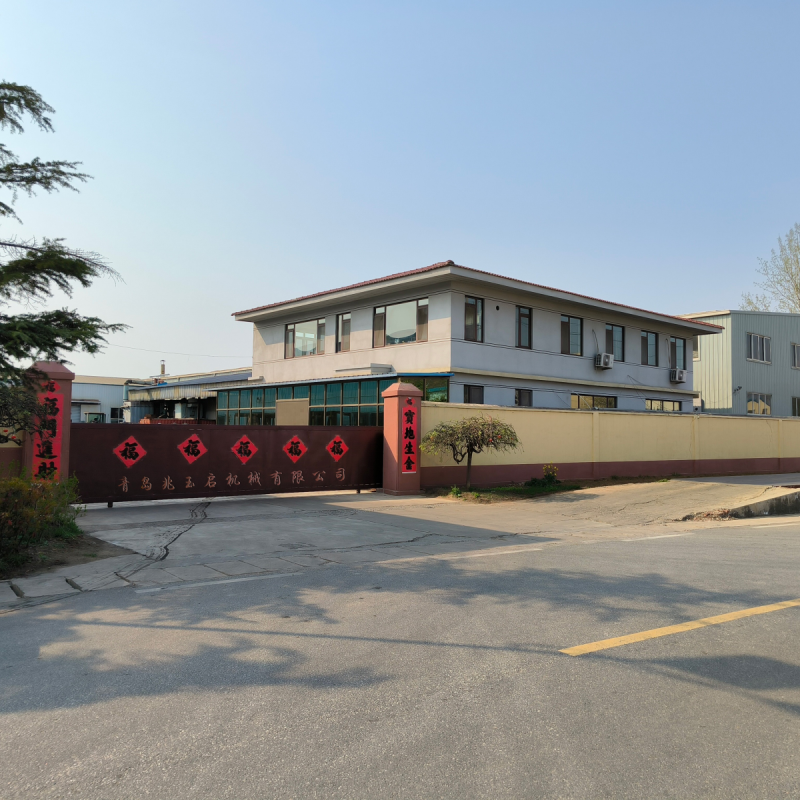
Qingdao Zhaoyuqi Mechanical Engineering Co.,Ltd was founded in 2005. It is located in Qingdao, which is a port city. Our factory has been specialized in OEM customized iron casting services for over 20 years. The main materials we use are ductile iron, gray cast iron, steel and metal alloys. We have passed ISO 9000 certification since 2005.
More details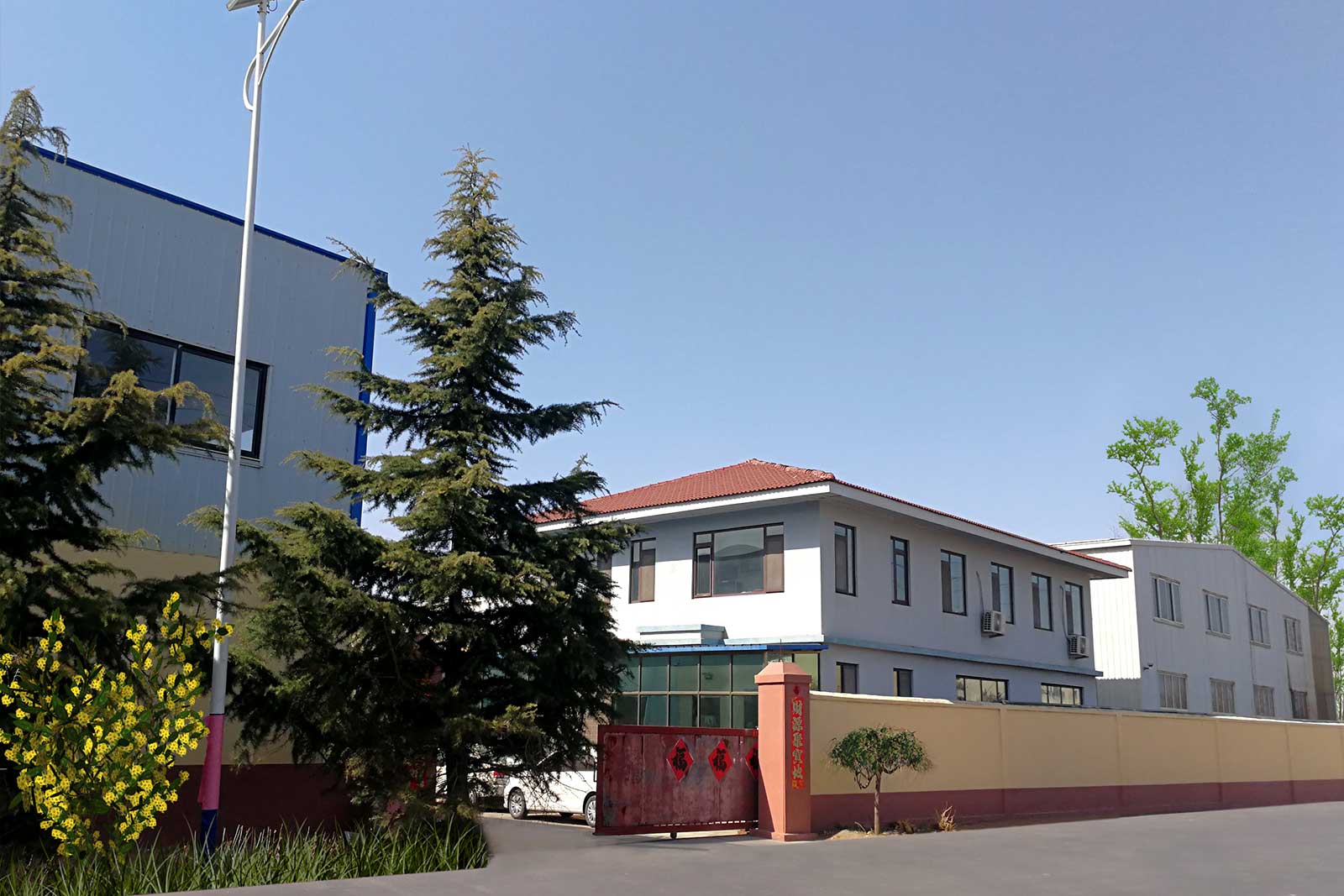
Professional service team, after-sales service guarantee
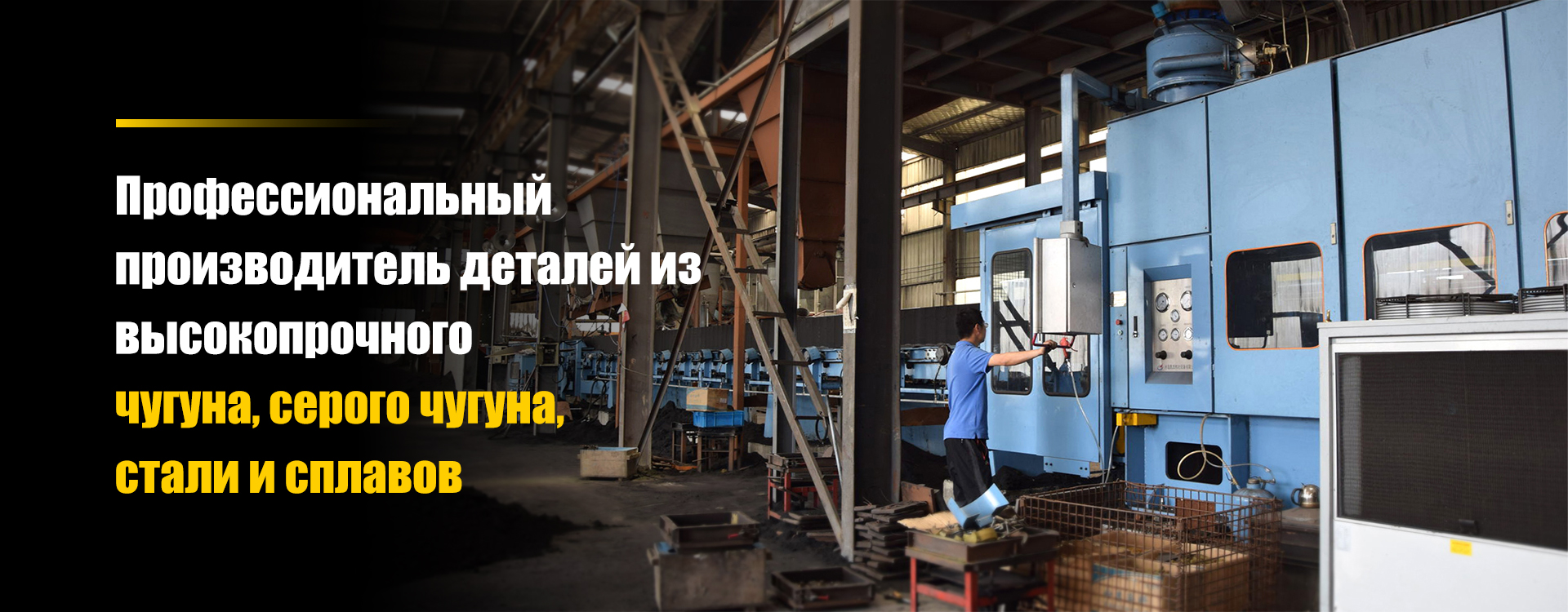
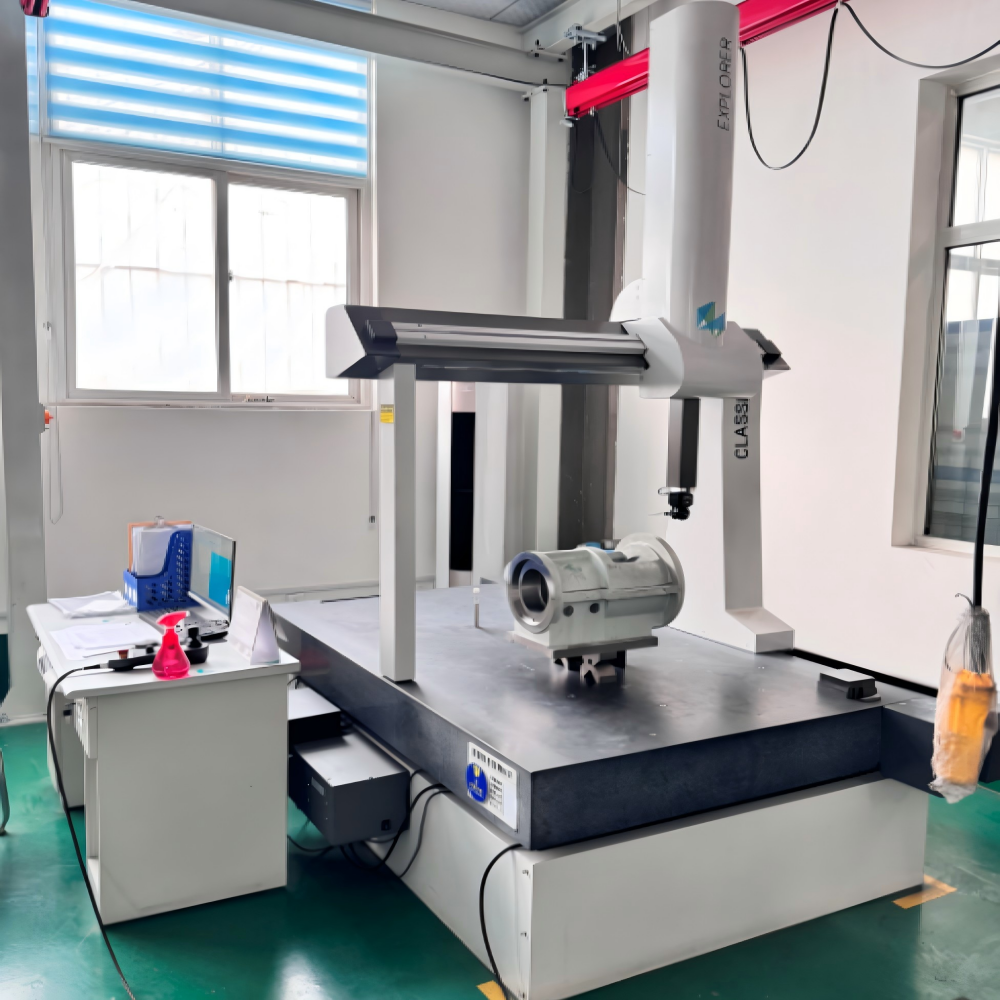
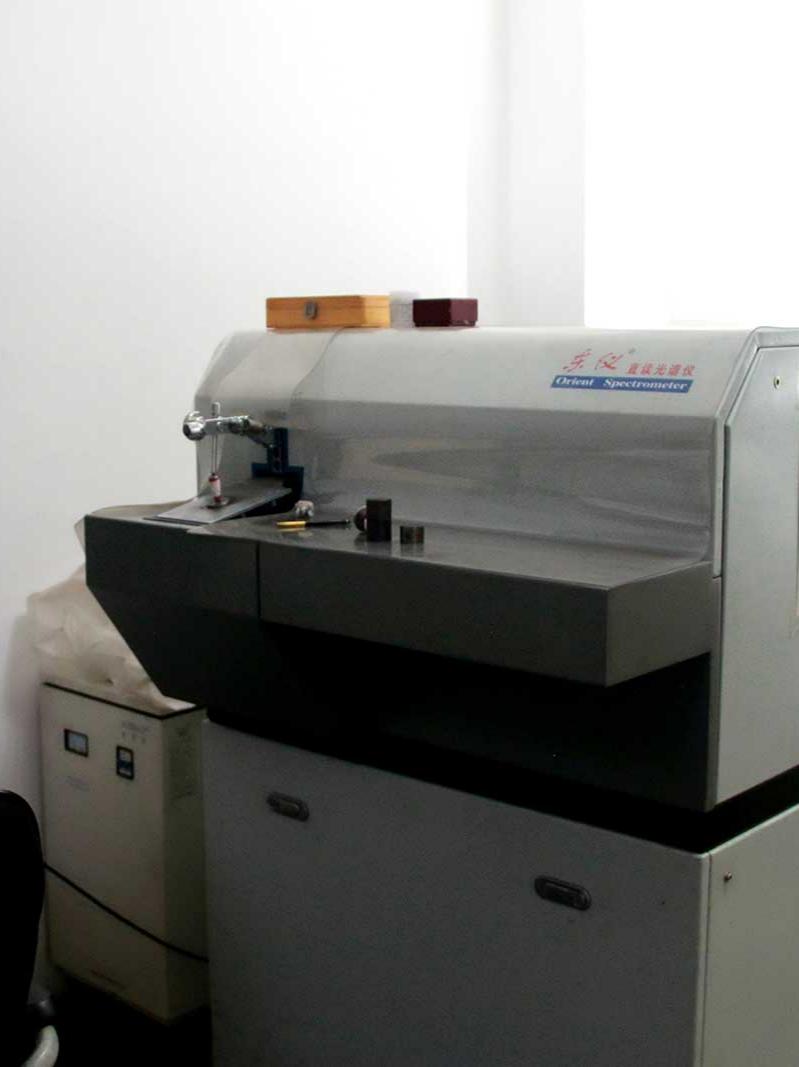
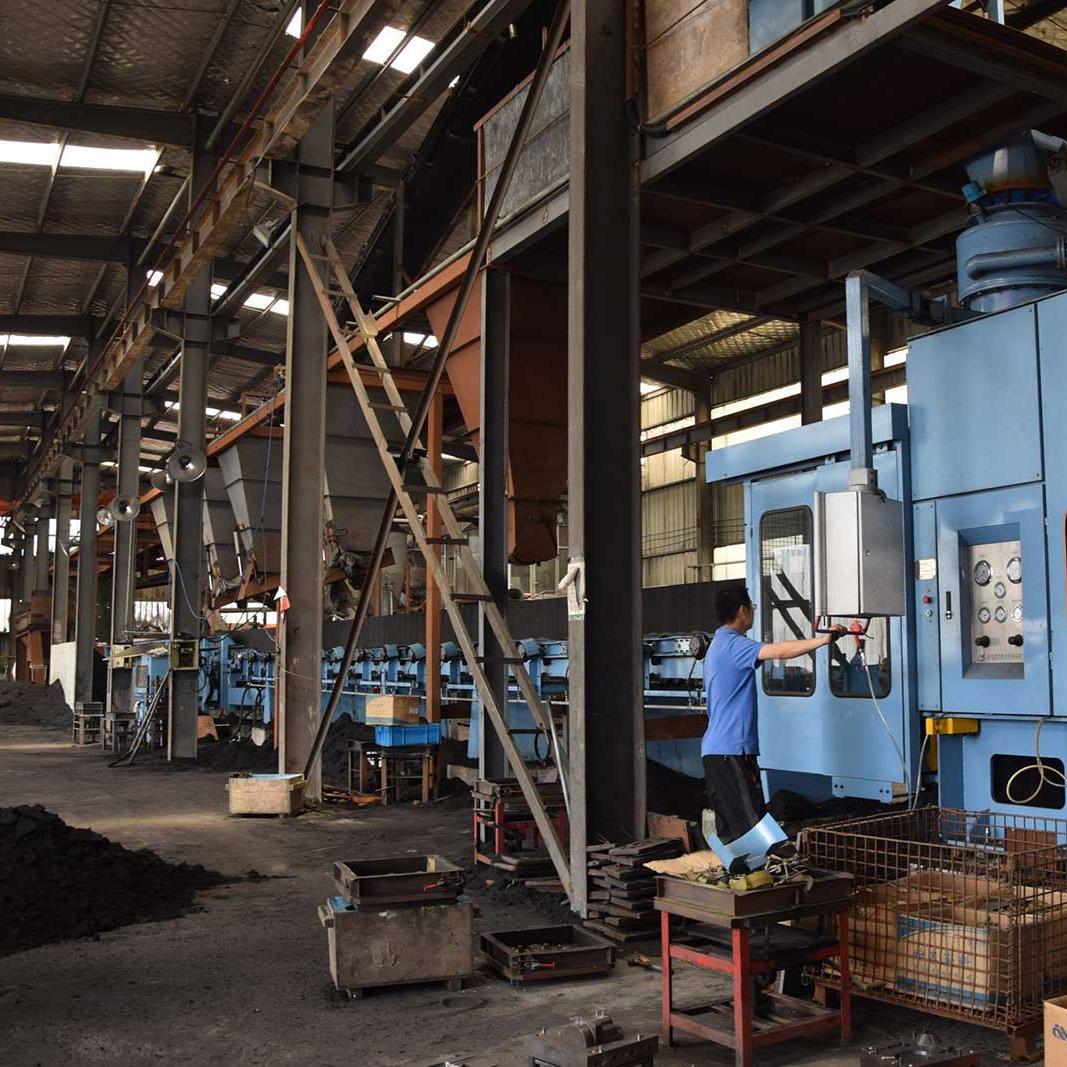
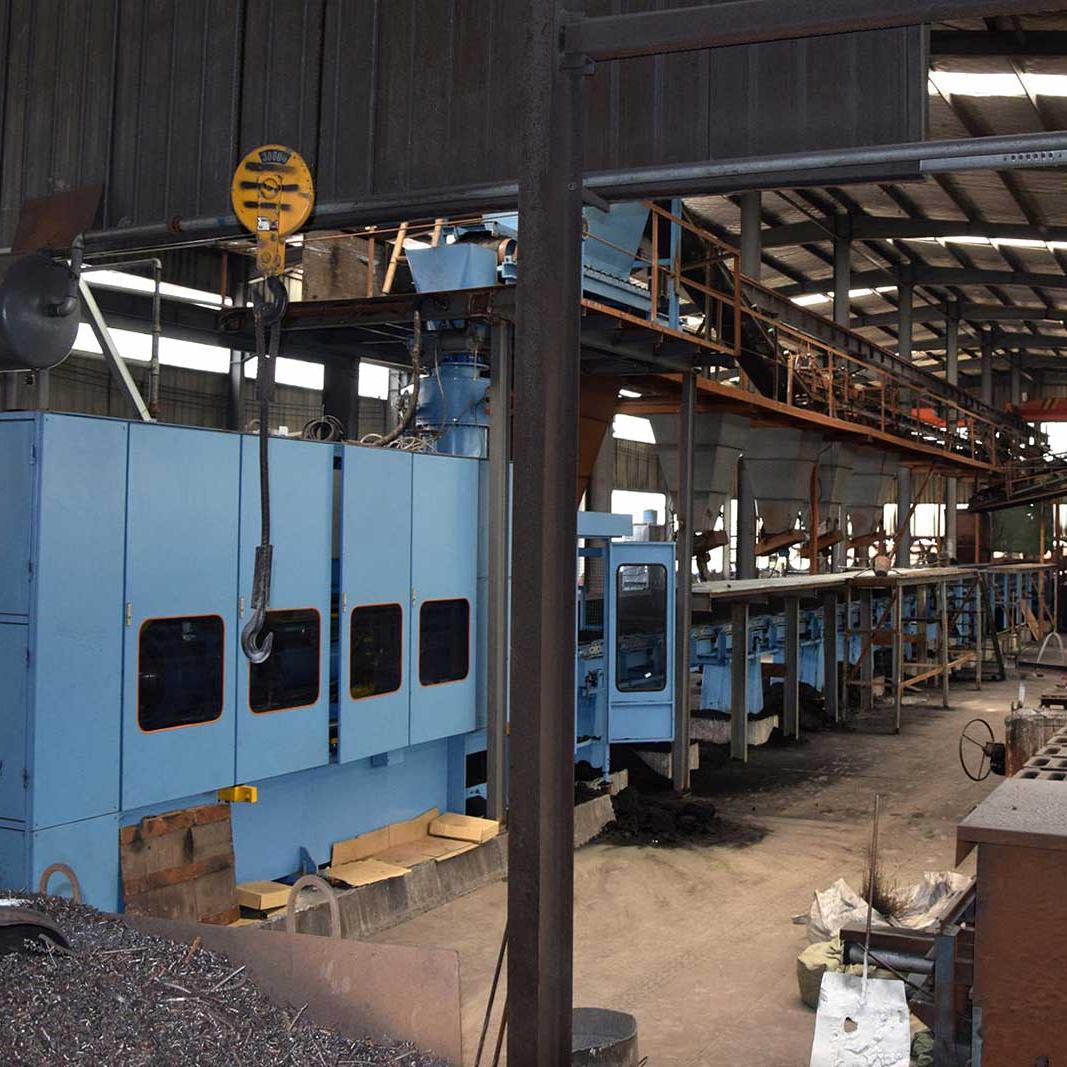
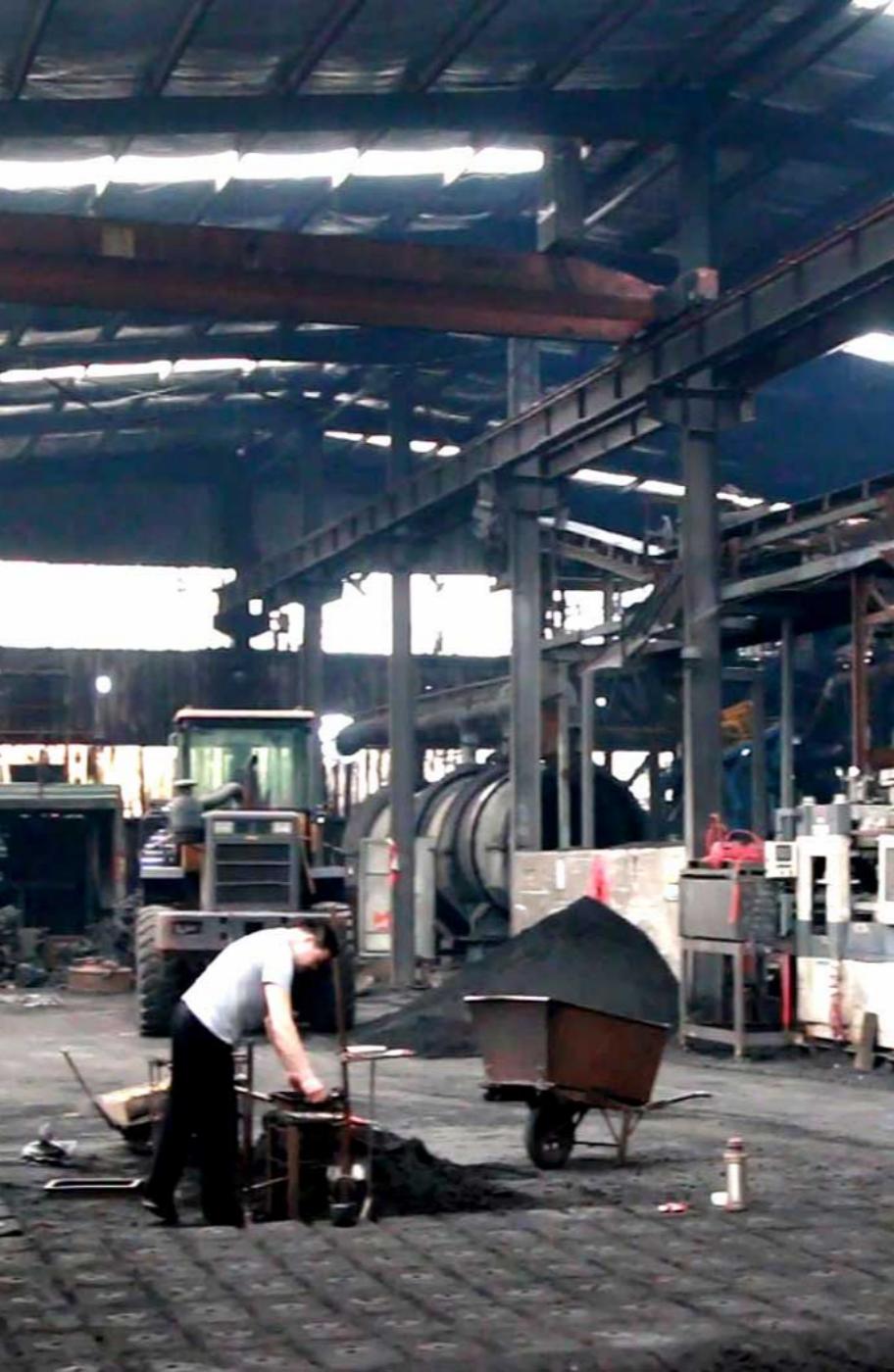
The company puts the production of high-quality products first, treats quality as life, constantly leads the development of the industry and passed ISO 9000 certification in 2015. Currently, the company has more than 100 employees, a professional R&D team, excellent production equipment and a DISA molding line. It is one of the first electric furnace smelting enterprises in the region. The introduction of advanced control and measuring equipment and professional inspectors, both domestic and foreign, allows us to meet the needs of customers.
- Many years of experience in the foundry industry
- Short delivery times and timely logistics
- Accurate sample making, high tooling production efficiency, saving time and cost
Learn more about OEM Sand Casting Factory
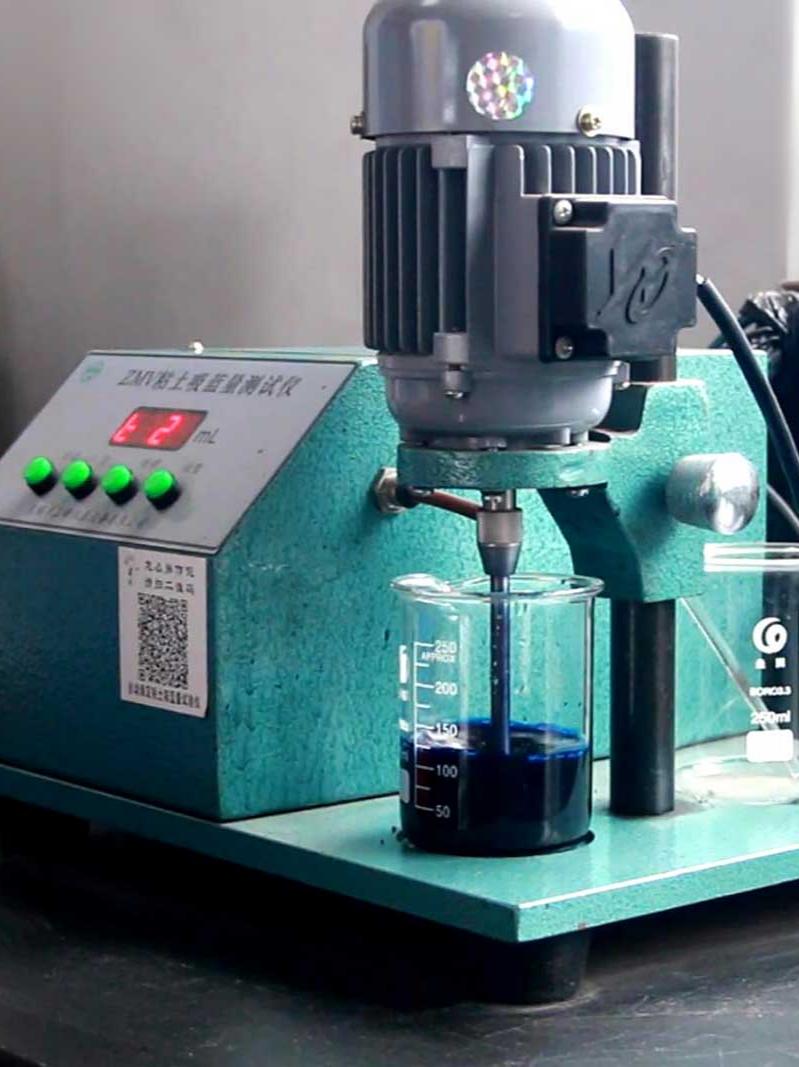
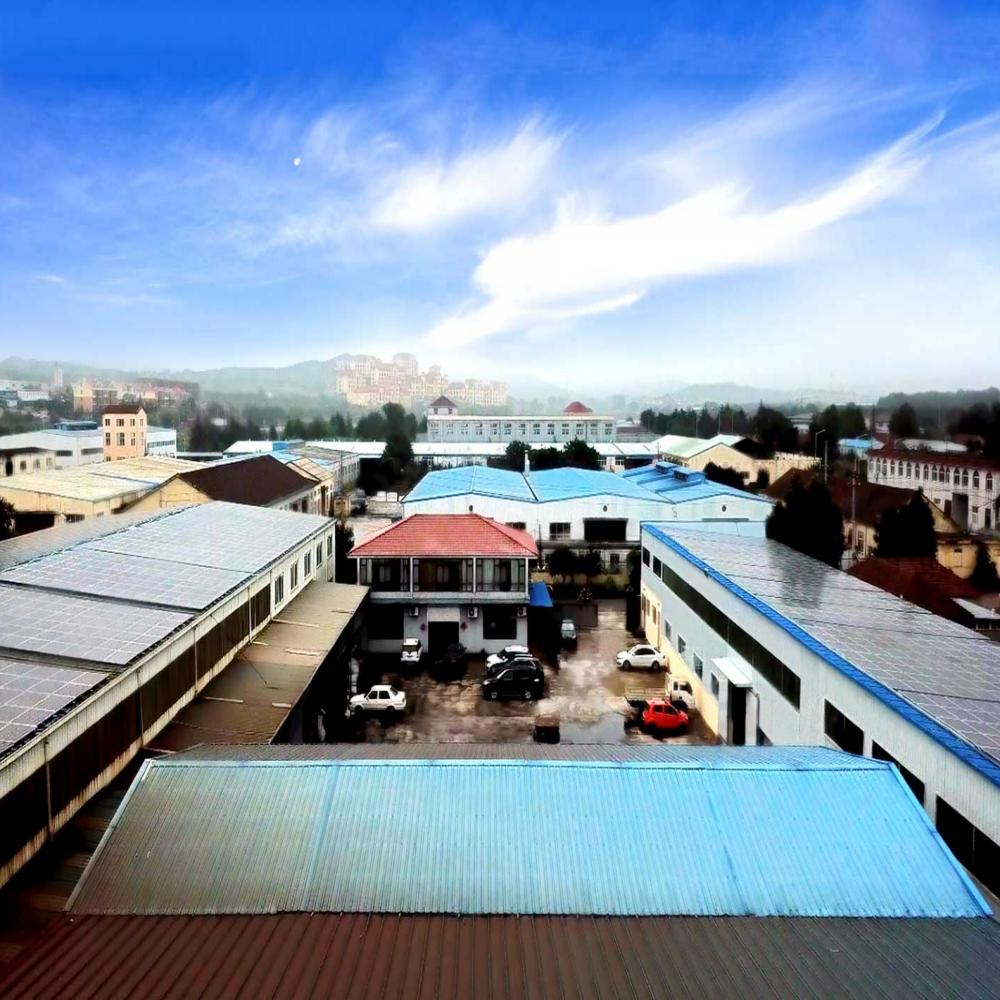
Qingdao Zhaoyuqi Machinery Co., Ltd. is a modern professional OEM manufacturer of customized iron castings, specializing in shell casting and green sand casting technologies in China. The company is located in Qingdao, which is a port city. The distance from the port to our enterprise is only about 1.5 hours. We have specialized in customized sand casting for over twenty years and are the preferred casting parts supplier for domestic and overseas customers. We started with a few people, and now our team consists of dozens of workers. Our foundry, which has been in the industry for over two decades, has mastered complete process control from sand preparation, mold making, pouring to finishing, and is able to consistently supply high-performance castings in a variety of materials, including ductile iron, iron alloys and carbon steel. Our key competitive advantage lies in the perfect combination of excellent quality and customer-oriented service. We are ISO9001 and CE certified, with 98% of our products exported to Europe, America and Southeast Asia, earning wide recognition from long-time partners - famous brands. All our sand casting products strictly comply with ISO 9001 and major international industry standards, and in-house testing covering tensile strength, impact strength and internal non-destructive testing has earned long-term customer trust. The degree of spheroidization of graphite in high-strength cast iron reaches more than 90%. Most of the exported parts are used in industrial equipment, pumps, electrical fittings, agricultural machinery parts, railway transport, ship fittings and automotive spare parts, etc. With a highly qualified technical team, we can quickly adjust the molding mixture formulation and casting process parameters in accordance with individual requirements - from small-scale trial runs to large-scale deliveries, offering cost-effective solutions that are ideally suited to the specific operating conditions of the customer. Compared to our competitors, we offer more flexible customized solutions, shorter delivery times and competitive prices, as well as comprehensive after-sales services, including 24/7 support and a 3-year warranty on all major products. Welcome to us - contact us!
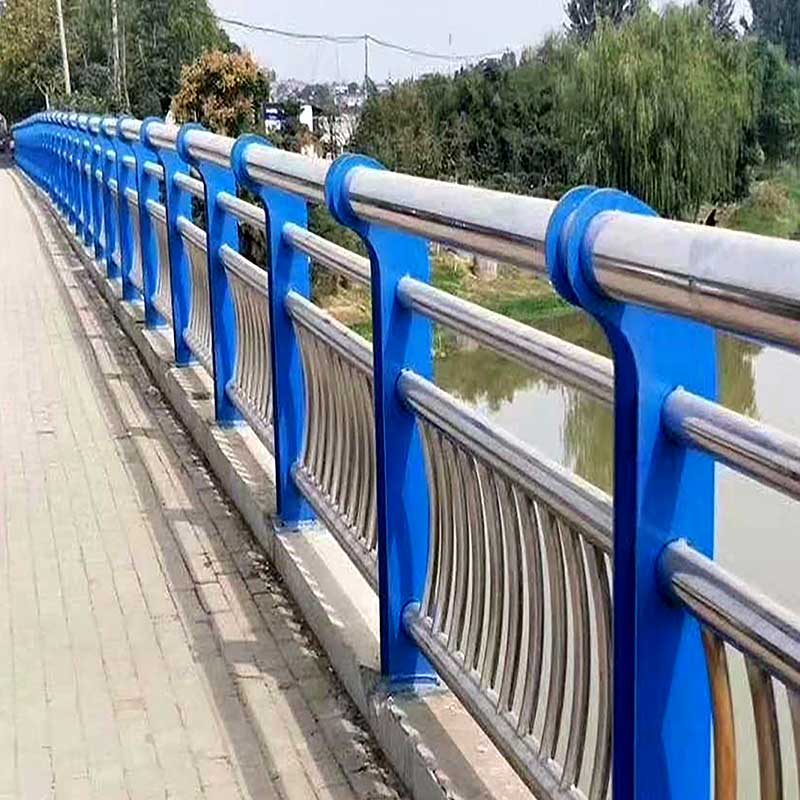
Parts produced by casting using gasified models are widely used in various industries
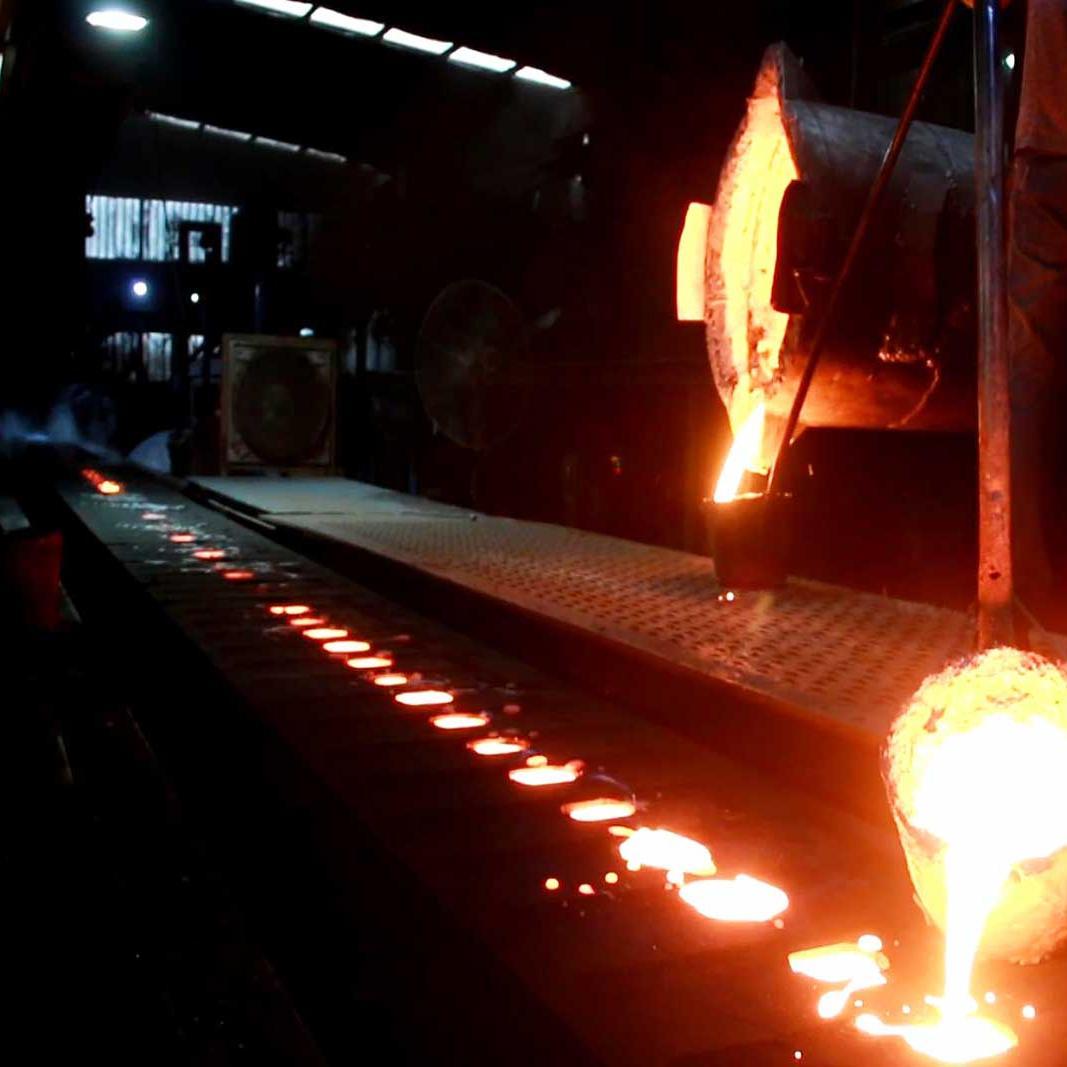
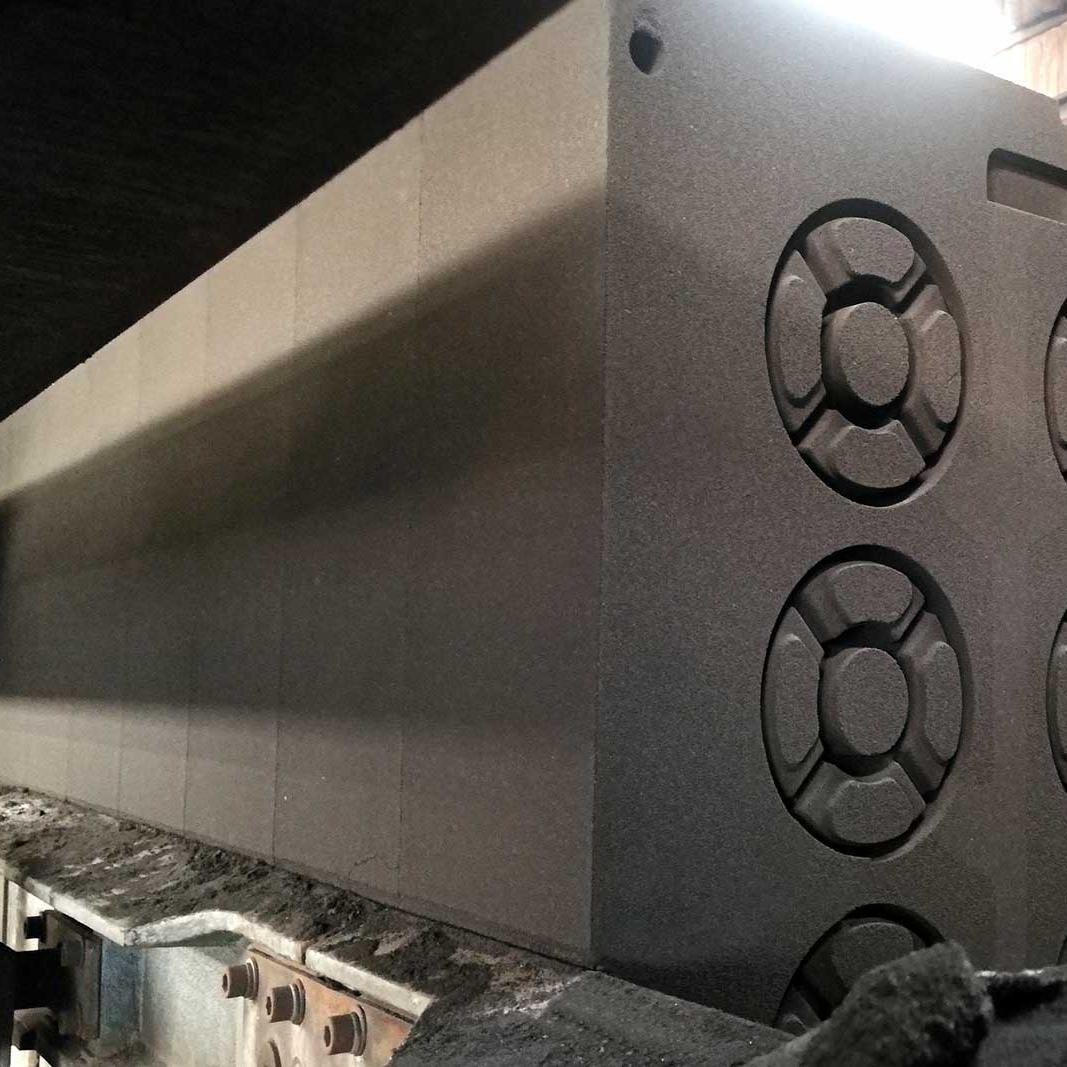
Gasification casting, also known as lost wax casting or fully burned-out casting (EPC or LFC for short), is an advanced precision green casting technology that produces products close to the final shape. For production, foamed polystyrene (EPS) is used, from which solid models are made that are identical to the finished casting. This process does not require opening molds, removing models, or making individual cores. Once the foam block is coated with a fireproof coating and completely dried, it is placed in unbound dry silica sand, compacted using 3D vibration, and stabilized under negative pressure. During pouring, the high-temperature melt instantly gasifies the foam model and fills the space left by the evaporated model, forming a finished casting after cooling and hardening. Key advantages of casting using gasified models 1 Lack of mold separation, slopes and separate sand cores; castings have no flash, warp or parting lines, which reduces the amount of cleaning work by more than 70%. 2 Capable of producing complex geometric shapes in one operation: deep cavities, thin walls, irregular through holes and convex-concave structures can be cast in one process, greatly simplifying product design. 3 Dry sand without binders provides extremely low regeneration costs, less dust generation and a cleaner production environment compared to clay and resin casting. 4 Simplified technological process: the operations of making cores, assembling molds, retrieving models and repairing molds are eliminated, which facilitates the implementation of automated serial lines. 5 Minimal machining allowances increase material utilization and reduce secondary processing costs; One production line can flexibly switch between cast iron, steel and aluminum alloys. Typical Applications 1 Ductile iron (QT400-18, QT600-3): gear housings, agricultural machinery chassis, pump housings, gear housings, construction equipment brackets; 2 Automotive components: engine blocks, intake manifolds, rear axle housings, differential housings; 3 Steel castings: heavy valve bodies, mining machine bodies, wear-resistant complex structural elements; 4 Aluminum alloys: electric motor housings, water pump housings, multi-channel valve housings of complex configuration.
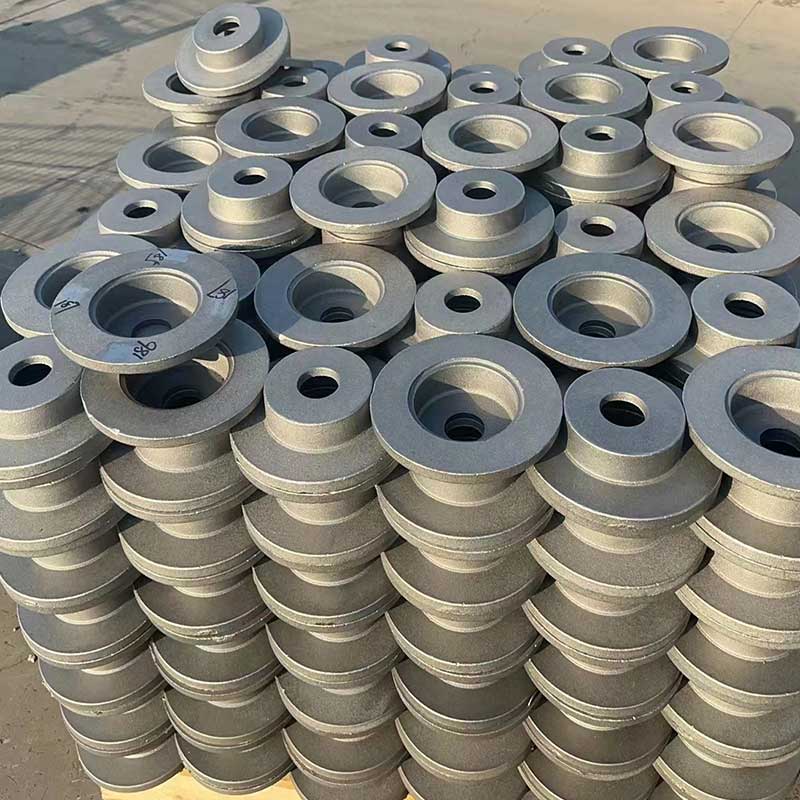
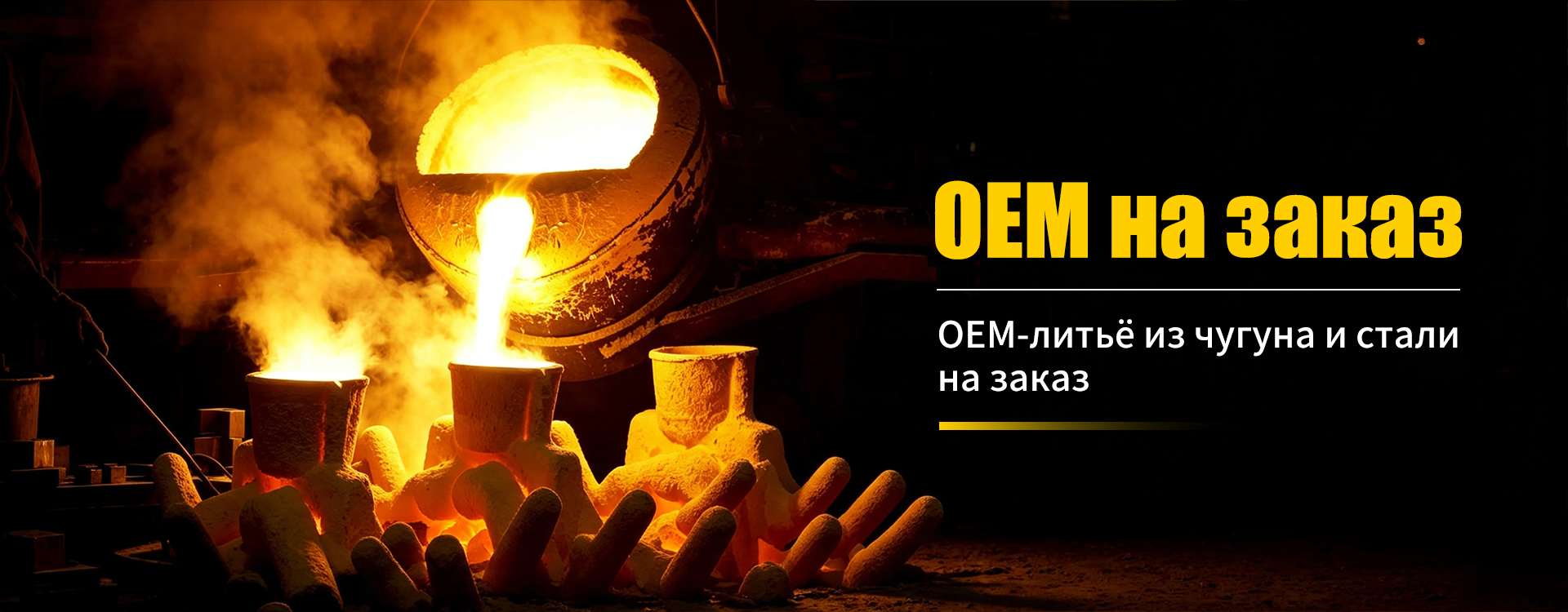
OEM LOST FOAM CASTING PROCESS - INTRODUCTION
This process is applicable to QT400-18, QT600-3 ductile iron, gray cast iron, steel, aluminum and copper alloy castings, especially for integrated housings with complex multi-cavity structures. Dimensional accuracy CT7–CT9 and surface roughness Ra6.3–25 µm are achieved, which gives higher overall accuracy compared to clay casting, and surface quality under certain conditions is comparable to shell casting. Basic principle of molding A single block of polystyrene foam models (casting, gating system and profits glued into a single whole) is covered with a fire-resistant coating to insulate from dry sand and remove pyrolysis gases formed when the foam burns out. Dry sand does not contain clay, resins or other binders; loose grains of sand are compacted and fixed under the action of negative vacuum pressure, forming a rigid shape. When the high-temperature melt comes into contact with the foam, thermal cracking, evaporation and combustion of the EPS occurs. A large volume of gases is removed through the pores of the coating by a vacuum system. The melt continuously fills the mold cavity, replacing the volume of foam. After cooling, the vacuum is removed, the dry sand crumbles spontaneously, and the castings can be removed intact. Raw Material System 3.1 Materials for Expanded Polystyrene Models EPS granules: standard for ductile iron, gray cast iron and aluminum castings with a density of 18–20 kg/m³. The granule size should not exceed 1/9 of the minimum casting wall thickness, the pre-foaming coefficient should be 40–60 times. STMMA and EPMMA copolymer: used specifically for steel castings to reduce carburization defects on the surface of the castings. 3.2 Fireproof coating Consists of fireproof powder (quartz flour, bauxite, zircon powder), binder, suspending agent and functional additives. The coating is applied by brush or spray to the surface of the foam in 2-3 layers and completely dried in low-temperature ovens. It prevents metal penetration, supports foam models, directs pyrolysis gases and prevents sand from entering the mold cavity. 3.3 Dry foundry sand Clean washed quartz sand, free of moisture, clay and resin binders. For ferrous metals, coarse sand is used, for aluminum alloys - fine sand. Waste sand is not contaminated by organic binders and can be regenerated an infinite number of times after screening and cooling. Complete Process 4.1 Fabrication and Assembly of Foam Models EPS granules are pre-foamed, cured and molded into individual foam models; for small-scale products, models can be made on CNC machines from foam sheets. Separate foam elements (casting, sprue bowl, feeders and profits) are glued together into a single model block to eliminate gaps at the joints. 4.2 Application of fire-resistant coating and drying The entire model block is dipped or spray-painted with a special coating for gasified models in 2-3 layers, then completely dried in low-temperature ovens. Residual moisture will cause gas pockets to form during pouring. 4.3 Three-dimensional vibration compaction in a vacuum flask Installing the flask on a vibrating table, laying the bottom layer of sand 50–100 mm thick and compacting it by vibration; Placing a completely dried foam model block inside the flask; layer-by-layer backfilling with dry sand with synchronous triaxial (X/Y/Z) vibration for 30–60 seconds to completely fill all internal cavities, ribs and small holes; Sealing the upper part of the flask with plastic film and connecting a vacuum pump, stabilizing the negative pressure at the level of -0.04...-0.08 MPa; atmospheric pressure fixes the loose sand into a rigid shape. 4.4 Continuous Vacuum Pouring A vacuum is maintained while molten iron, steel or aluminum is poured uniformly. The foam is continuously gasified, and the vacuum synchronously removes the cracking flue gases, ensuring stable filling of the mold until the profits are completely filled. 4.5 Cooling, tipping the flask and knocking out After the castings have completely solidified and cooled, the vacuum is turned off and the negative pressure is removed. The flask overturns; unbound dry sand crumbles spontaneously, separating from the castings. The waste sand is sieved, cooled and returned to the next production cycle. 4.6 Cleaning and Heat Treatment Removal of integrated foam sprues and pads, shot blasting to remove coating residue from surfaces. Ductile iron castings (QT400-18, QT600-3) are annealed or normalized as required, after which they undergo dimensional and mechanical properties control and are sent for storage.
Castings made of cast iron and steel of stable quality, exactly correspond to the drawings. Delivery times are always respected.

Alexey
ClientDifferent casting technologies allow you to order parts of any complexity. Technical support is very professional.

Ivan
ClientThe plant carries out both small trial orders and large mass batches.