
-


-


-


-


WeChat

-
whatsapp

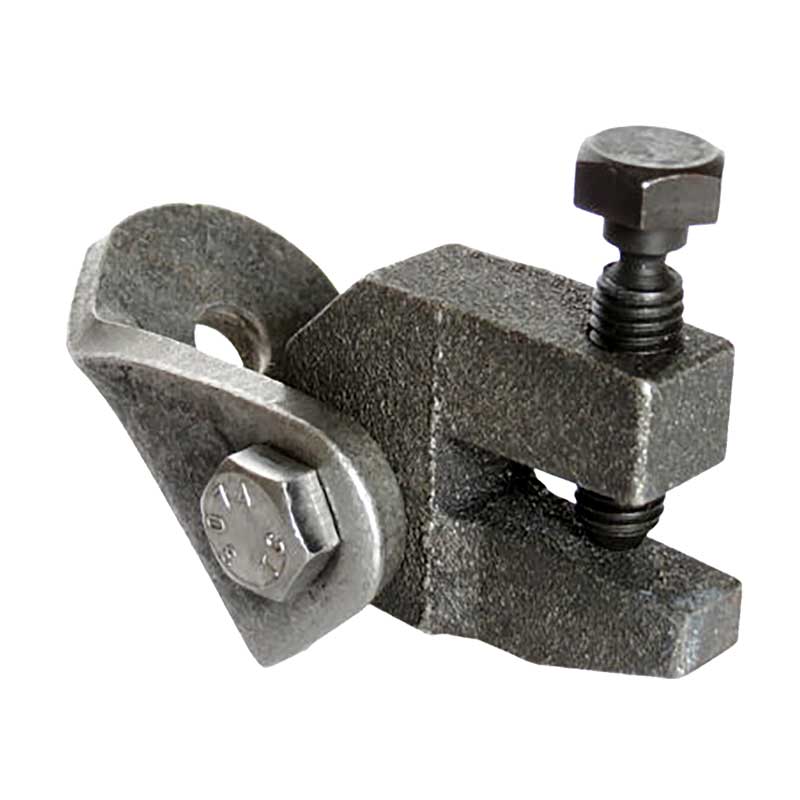
OEM CLAY SAND CASTING / PARTS
2026-07-28
General overview of the process
Basic principle of molding
When mixed with water, bentonite forms a plastic clay shell that envelops sand grains, which gives the molding mixture strength, ductility and gas permeability. After filling and compacting the mixture, a cavity is formed corresponding to the external shape of the casting. A high-temperature molten metal is poured into this cavity, which solidifies after cooling. The disposable sand mold is destroyed to remove the castings, and the waste sand, after proper treatment, can be reused.
Molding sand composition and key properties
(1) General recipe for raw sand (green sand)
Quartz sand: 90%–94% (main filler)
Bentonite clay: 6%–10% (binder for wet strength)
Coal dust: 2%–4% (prevents metal penetration and improves surface quality)
Moisture: 3%–4.5% (adjusts the binding properties of the clay)
(2) Basic technological properties of the molding sand
Wet strength: prevents mold collapse when removing model and assembling molds
Gas permeability: vents water vapor and flue gases generated during pouring to prevent gas holes
Plasticity: facilitates molding and removal of the model, reducing sand shedding
Breakability: after cooling, the mold breaks easily, making the castings easier to clean
Complete technological process
3.1 Making models
Based on casting drawings, wooden or metal models are made, taking into account allowances for shrinkage, machining, molding slopes and casting radii. Suitable sand cores are made for the internal cavities and holes of the castings.
3.2 Preparation of molding sand
Waste sand, new sand, bentonite, coal dust and water are thoroughly mixed in a mixer to ensure that the sand grains are evenly coated with clay. Operational control of humidity and compaction is carried out; substandard mixture is corrected by reproportionation.
3.3 Molding and production of cores
It is divided into manual molding (for large individual and shaped parts) and machine molding (for serial small parts on production lines):
Filling the mixture into the lower flask, compacting and leveling the surface, then turning over the lower half of the mold;
Setting up the model, applying release powder, installing the top flask and filling with the mixture with compaction;
Cutting out the gating system and profits for power and gas outlet, then removing the model to obtain the upper and lower halves of the molds;
Installing sand cores for complex internal cavities, fixing and sealing molds to prevent melt leakage.
3.4 Melting and pouring
Molten iron, steel or non-ferrous alloy is melted in an electric furnace or cupola furnace. Pouring is done evenly through the sprue bowl after the temperature reaches the required value. The profits serve as reservoirs of high-temperature melt to compensate for shrinkage during solidification and prevent shrinkage cavities and porosity.
3.5 Cooling and knocking out
After the castings have completely cooled, the flask is subjected to vibration to separate the castings from the collapsing clay mixture. The waste sand is dedusted, cooled, replenished with bentonite and returned to the mixture preparation cycle.
3.6 Cleaning and inspection of castings
Removal of gating systems, profits, flash and burrs; grinding and shot blasting of surfaces. Dimensional control, visual inspection and testing of mechanical properties are carried out. Good products are sent to the warehouse; Castings made of high-strength cast iron, if necessary, are subject to annealing or normalization.
Classification of three methods of casting in clay sand molds
4.1 Raw clay form (basic type)
Molds are poured without drying after molding, characterized by short cycle times, high productivity and the lowest cost. Suitable for small and medium-sized castings made of gray and ductile iron, such as automotive parts housings, brackets and gearboxes.
4.2 Form with a dried surface layer
Only the surface layer of the mold cavity (5–10 mm thick) is dried to increase the strength of the surface. Suitable for medium thick-walled castings to reduce blowhole defects and burn marks.
4.3 Completely dried clay mold
The entire sand mold is completely oven dried, has high dry strength and good gas permeability. Used for large thick-walled and critical steel castings. High energy consumption and long cycle times limit its use; gradually replaced by resin sand.
Advantages and Disadvantages
Benefits
Clay and quartz sand are available and inexpensive raw materials; More than 90% of waste sand can be reclaimed, resulting in extremely low production costs.
High adaptability: the ability to produce various metal castings weighing from 0.1 kg to several tons with complex designs.
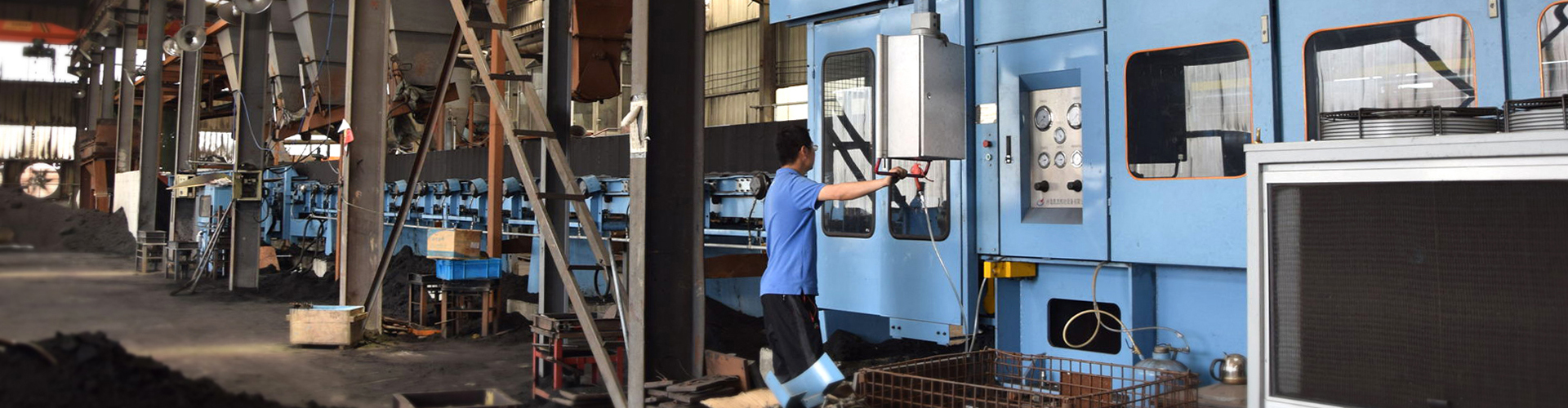
For raw forms, drying is not required, high molding speed, and the possibility of introducing automated serial lines.
The molding mixture has a certain elasticity, which reduces the risk of mold destruction when removing the model and installing cores, with high tolerance during operations.