
-


-


-


-


WeChat

-
whatsapp

Sand casting
2026-07-23
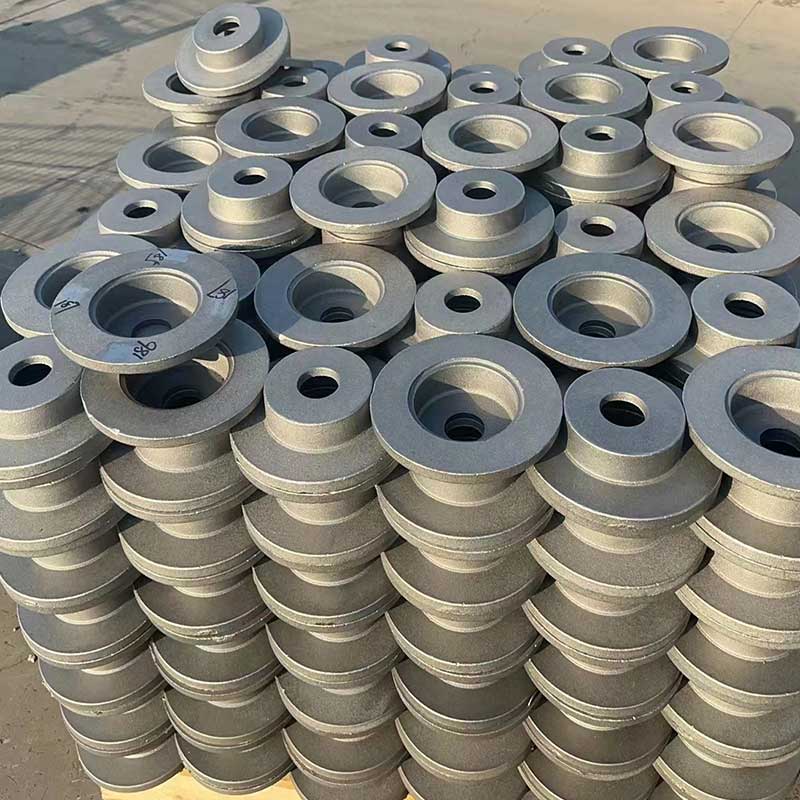
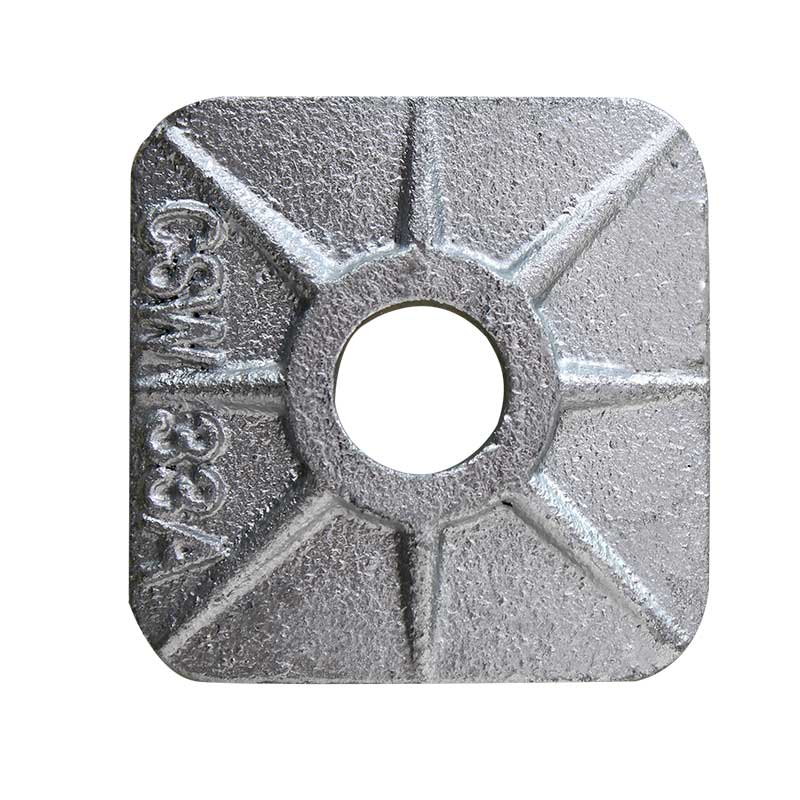
Sand casting is one of the oldest and most widely used foundry processes in the manufacturing industry. This method involves creating a sand casting mold into which molten metal is poured to produce a wide range of metal components. From complex parts to large industrial equipment, sand casting provides versatility and cost-effectiveness for the production of complex metal parts. In this article, we'll take a closer look at the intricacies of sand casting, exploring its processes, benefits, and applications.
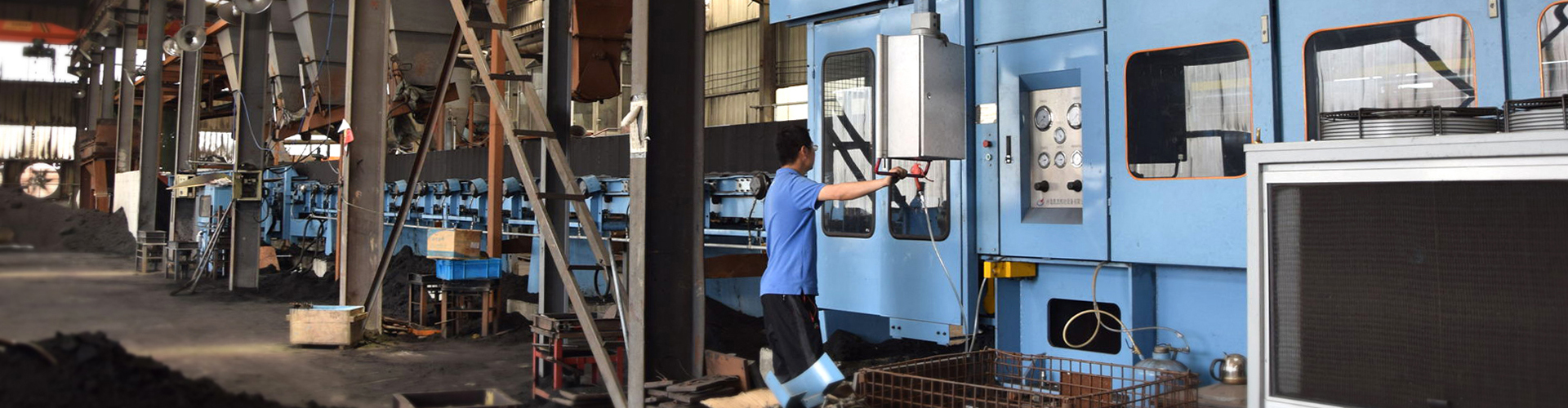
The sand casting process begins by creating a model, usually made of wood, plastic or metal, that follows the final shape of the desired metal part. This model is then placed in a flask filled with specially prepared molding sand, which is compacted to form a mold cavity. After removing the model, the mold remains ready to receive molten metal.
The next step involves pouring molten metal into the mold cavity, followed by cooling and solidification. After solidification, the mold is destroyed and the metal casting is removed from it. This casting is then cleaned, finished and inspected to ensure quality and accuracy.
Advantages of sand casting
1 Versatility: Sand casting allows the use of a wide range of metals, including aluminum, iron, steel and bronze, making the process versatile for a variety of applications.
2 Cost-effective: Compared with other casting methods, sand casting is relatively inexpensive due to the low cost of materials and tooling.
3 Complex Geometries: Sand casting allows the production of parts with complex geometries and intricate designs that would be difficult or expensive to produce using other manufacturing processes.
4 Scalability: Sand casting is suitable for both small and high volume production, providing flexibility to meet production needs.
5 Recyclable: Sand used in the foundry process can be recovered and reused, reducing waste and reducing environmental impact.
Sand casting applications
1 Automotive: Sand casting is widely used in the automotive industry to produce cylinder blocks, cylinder heads, transmission housings and other components.
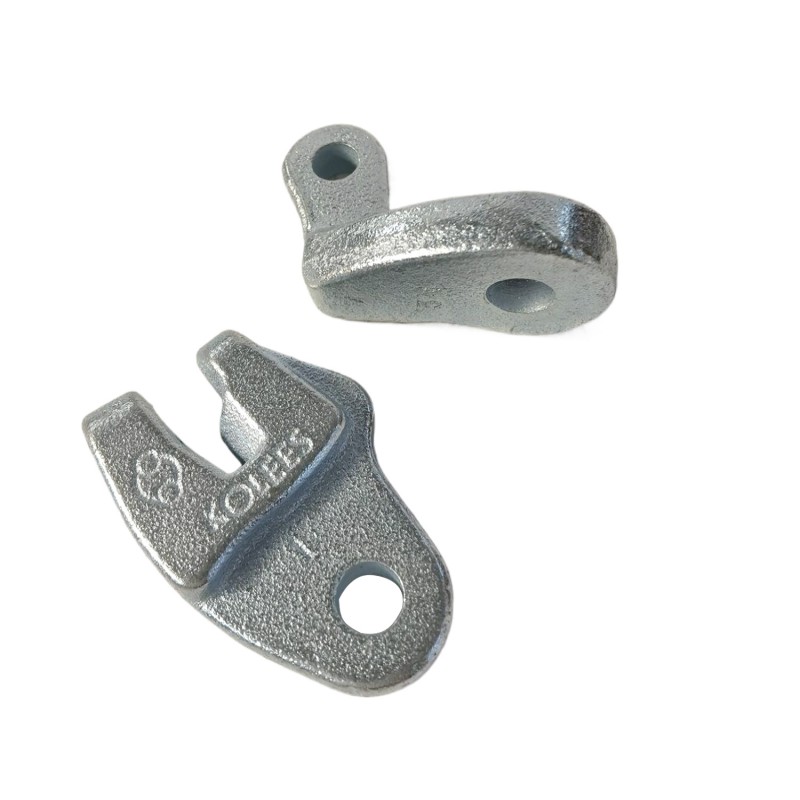
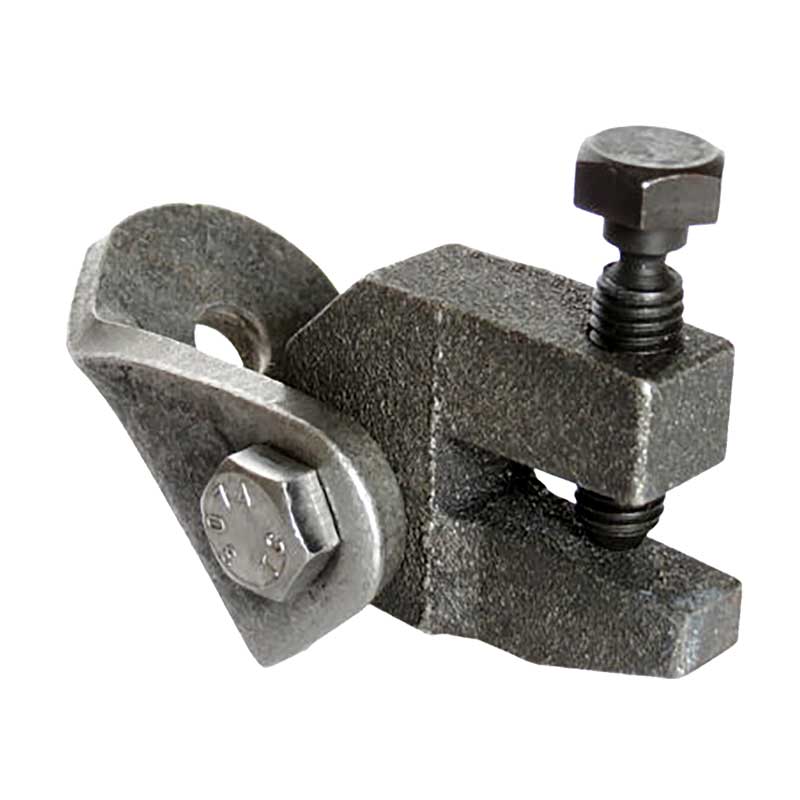
2 Agricultural Machinery Parts: OEM customized cast iron parts combined with sheet metal are used in agricultural machinery.
3 Industrial Equipment: Sand casting is used in the production of 3 heavy machine parts, valves, pumps and other industrial components.
Sand casting remains a fundamental and versatile method for the production of metal components in a variety of industries. Its ability to create complex shapes, cost-effectively produce parts, and work with a wide range of metals makes it the preferred choice for many manufacturers. As technology advances, sand casting continues to improve, confirming its importance and relevance in modern production processes.