
-


-


-


-


WeChat

-
whatsapp

FOUNDRY PROCESS TECHNOLOGY
2026-07-08
Melting processes
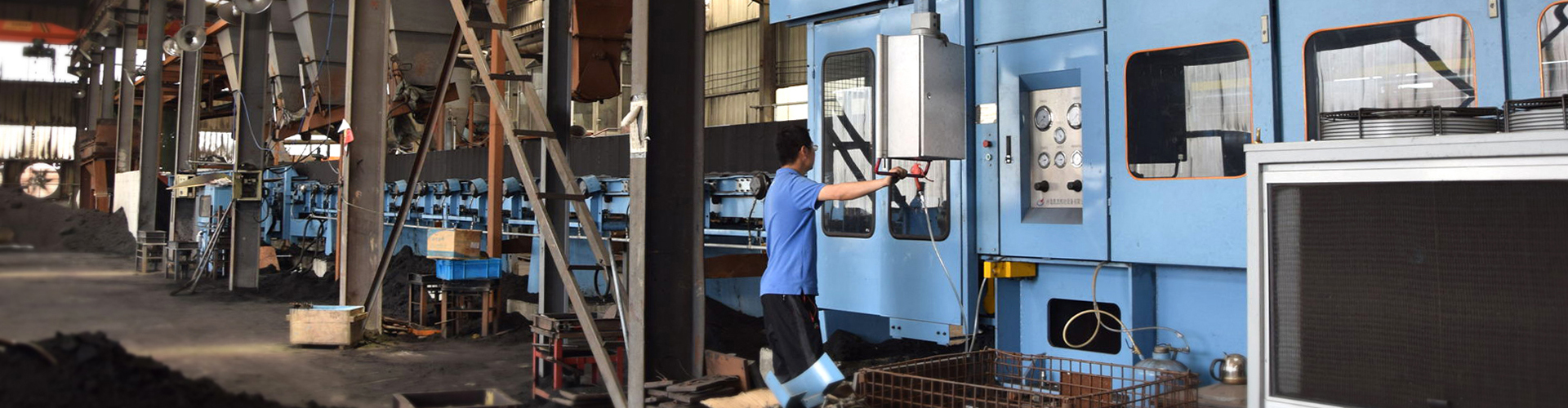
For melting, induction furnaces or arc furnaces are usually used to ensure the homogeneity of the chemical composition of the alloy. For high chromium cast iron, it is necessary to accurately control the melt release temperature to ensure good fluidity of the cast iron.
Forming and pouring
Conventional sand molding: Suitable for complex-shaped wear-resistant parts, for example using sand-coated molding.
Slanted fill: For large thick-walled parts (for example, mill rolls), inclined pouring is used with the installation of barrel-shaped heads to optimize feeding and prevent shrinkage cavities and cracks.
Hardening control
The degree of graphitization is controlled by controlling the cooling rate. Rapid cooling produces a bleached structure (high hardness), while slow cooling produces a gray structure (high viscosity).
HEAT TREATMENT
Heat treatment is a necessary step for further optimization of the microstructure of wear-resistant cast iron, relieving internal stresses and increasing performance properties:
Quenching and tempering:
High chromium white cast iron: austenitization temperature is 850–1100 °C, after quenching a martensitic base is obtained, then low-temperature tempering is carried out at 210–290 °C to maintain high hardness (over 60 HRC) and a corresponding increase in toughness.
Medium-manganese high-strength cast iron: subjected to normalization or isothermal hardening to obtain the structure of martensite + retained austenite + nodular graphite, which provides high wear resistance and toughness.
Surface hardening: For parts such as gray cast iron guides, high-frequency induction surface hardening is used, which hardens only the surface layer and maintains the toughness of the core.
COMMON DEFECTS AND THEIR PREVENTION
Cracks: High chromium cast iron is prone to hot cracking. Prevention measures include controlling sulfur and phosphorus content, adding appropriate amounts of scrap steel to increase strength, performing low temperature annealing, and rationally designing the gating system to reduce stress concentrations.
Shrinkage cavities / porosity: For large, massive castings, power must be provided. By calculating the modules, profits of sufficient size are designed using the principle of directional solidification.
CONCLUSION
The production of wear-resistant cast iron is a complex system that requires the selection of the appropriate type of material (anti-friction or wear-resistant) depending on the specific operating conditions, precise control of the chemical composition of the alloy, the use of advanced casting technologies and appropriate heat treatment regimes to achieve an optimal balance between high wear resistance and sufficient toughness.