

-


-


-


-


WeChat

-
whatsapp

Products
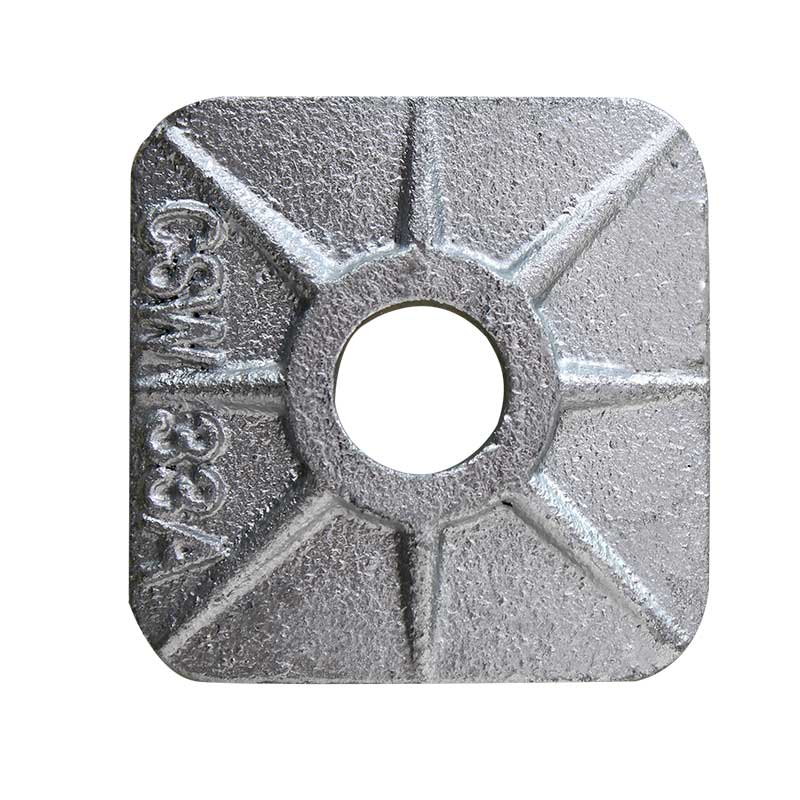
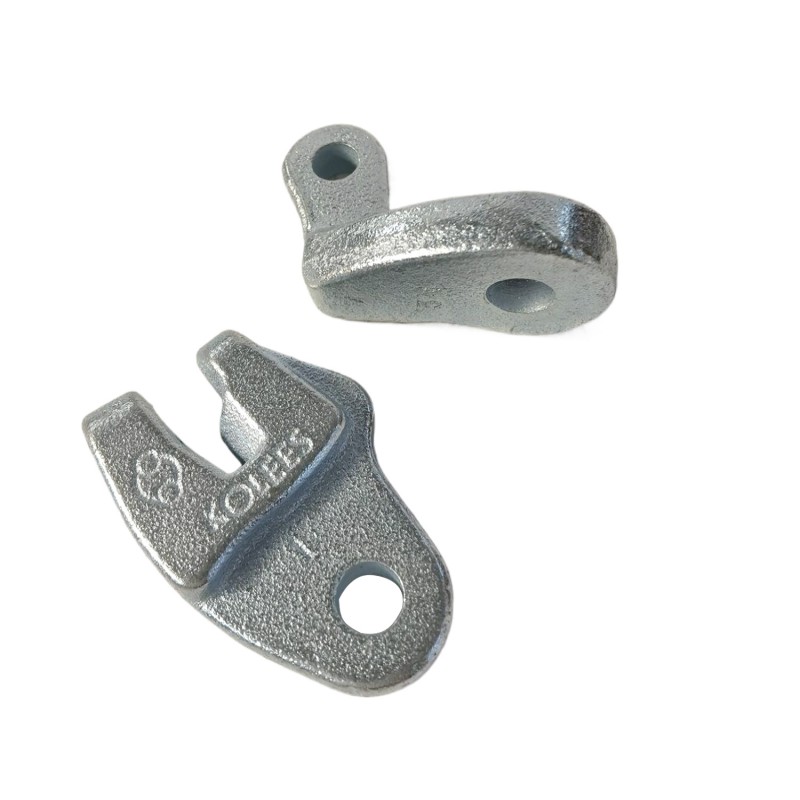
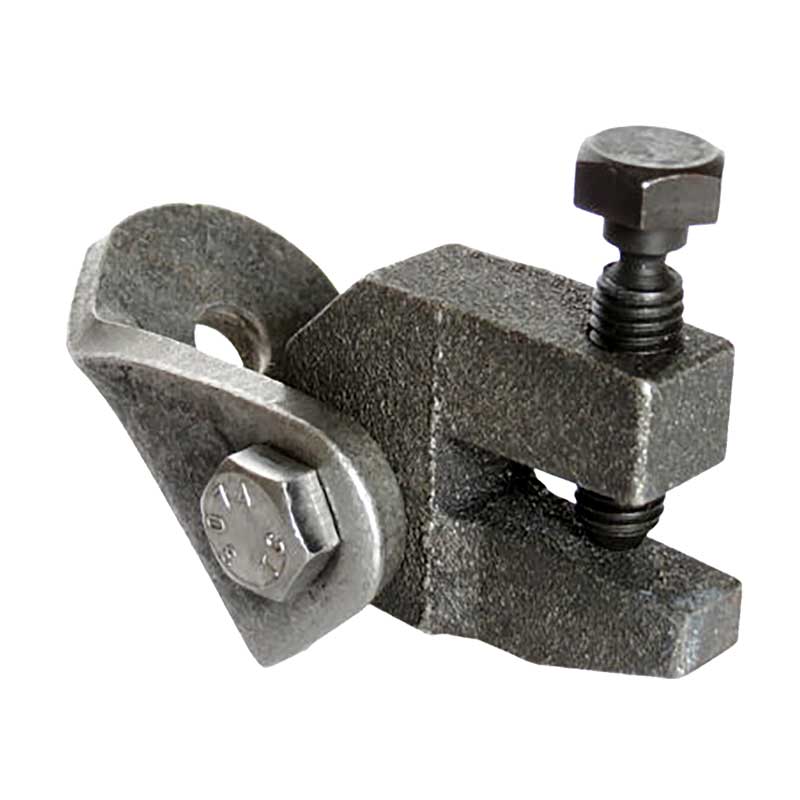
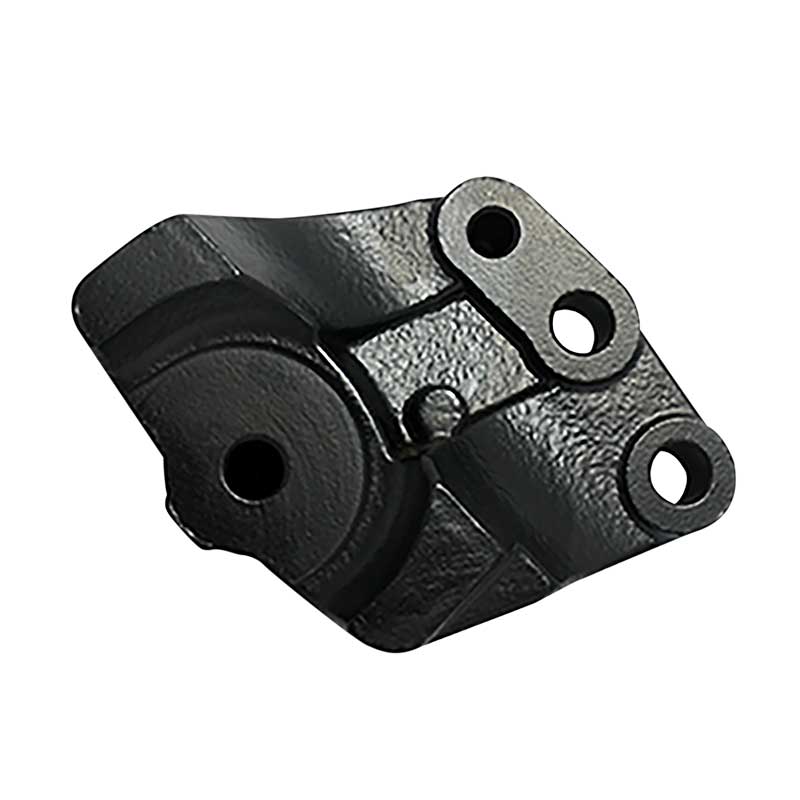
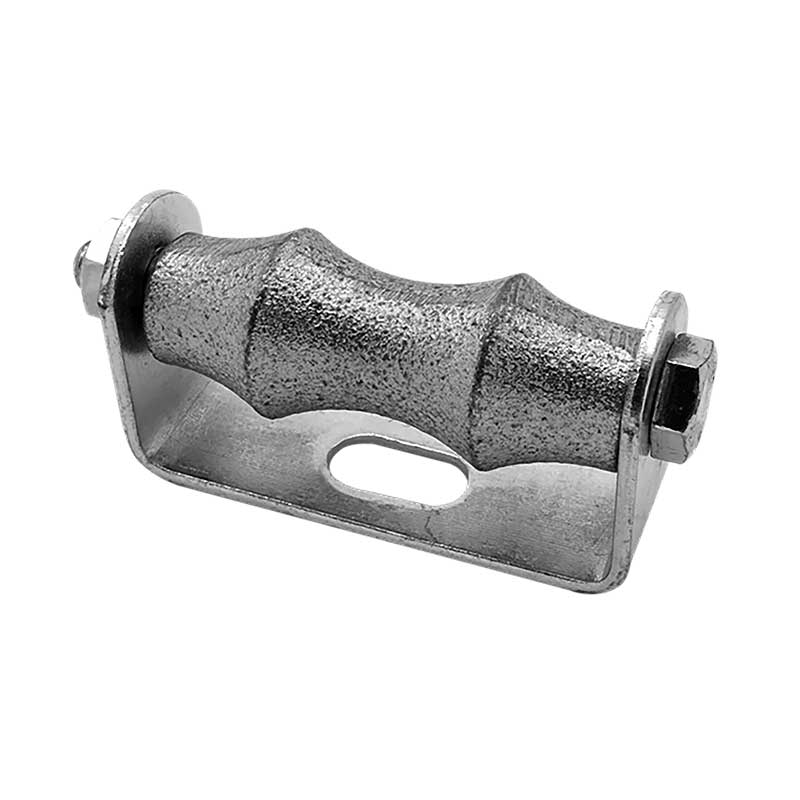
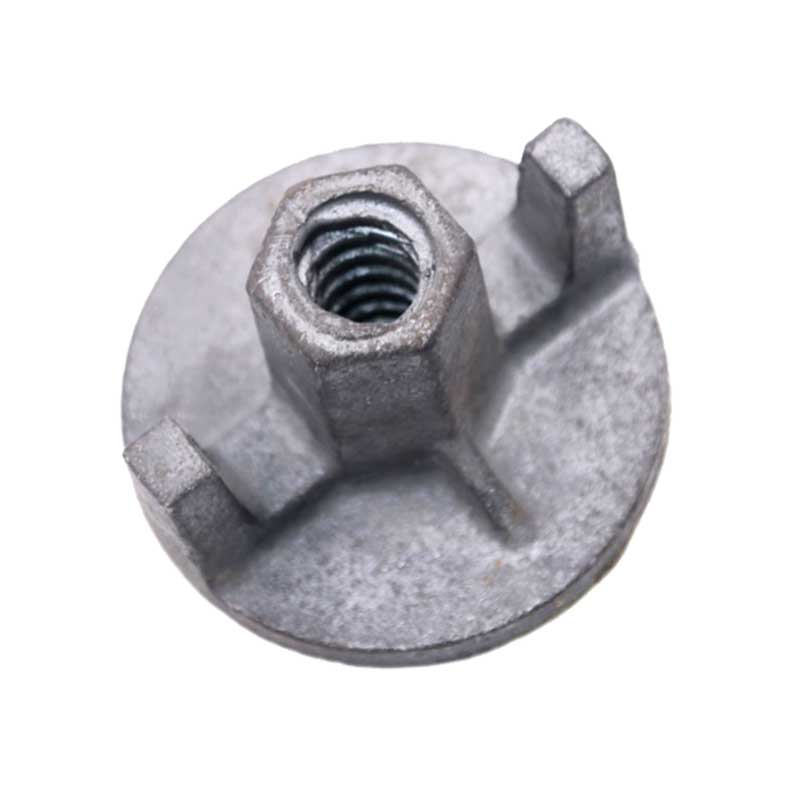
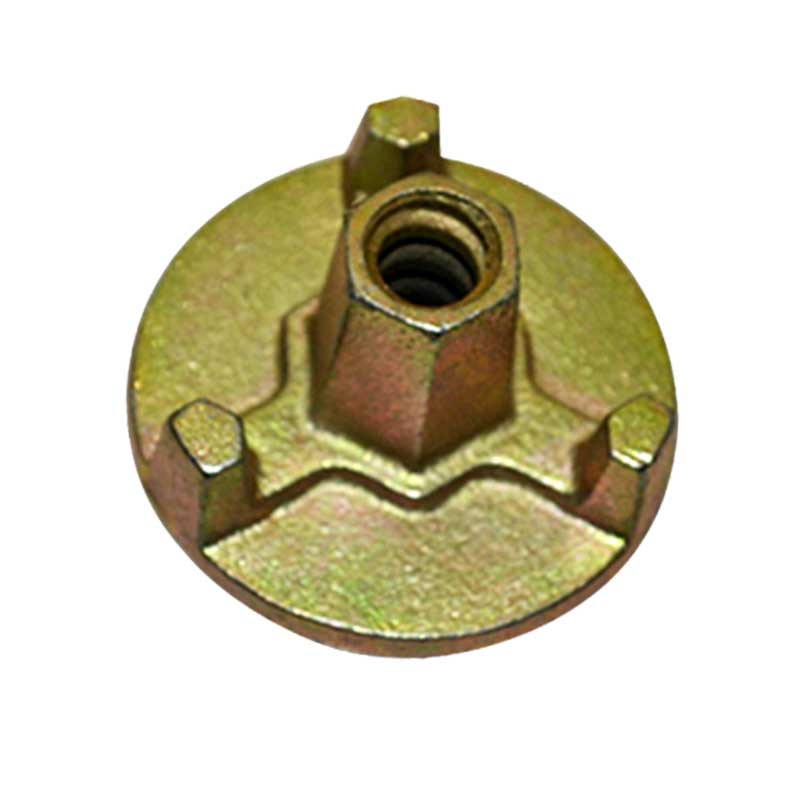
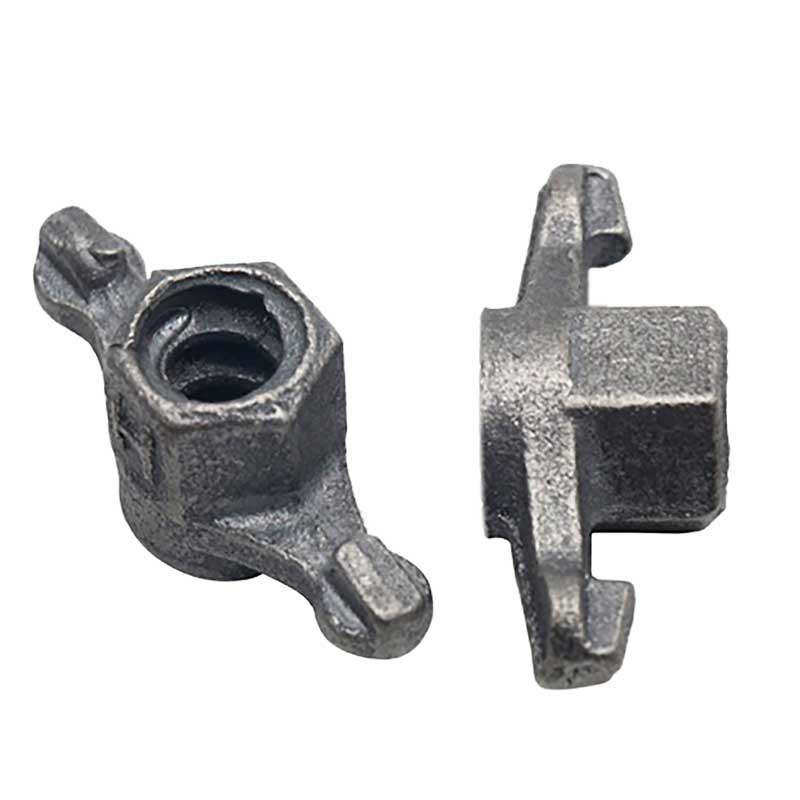
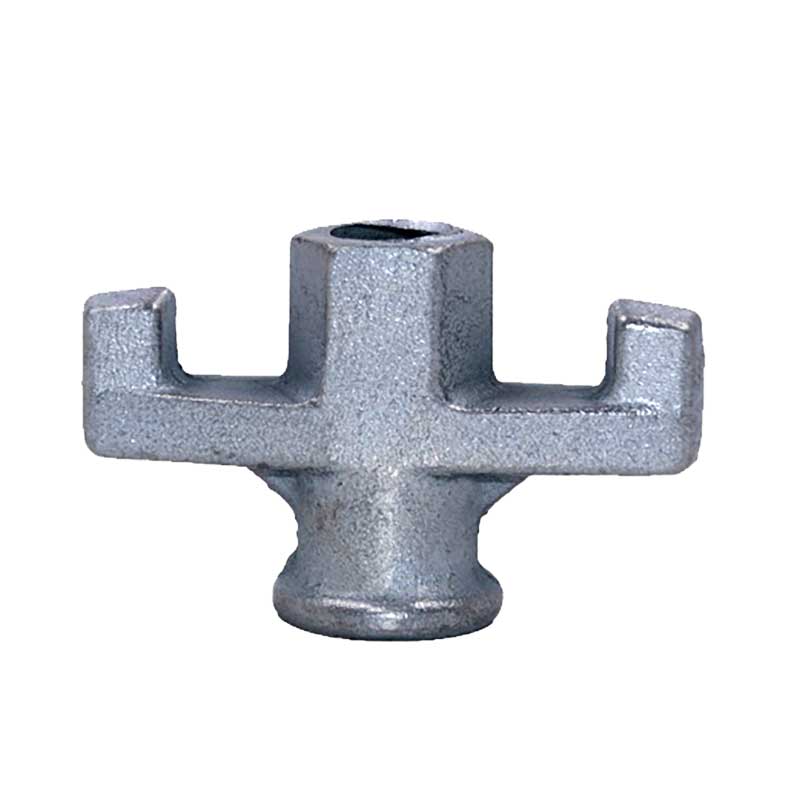
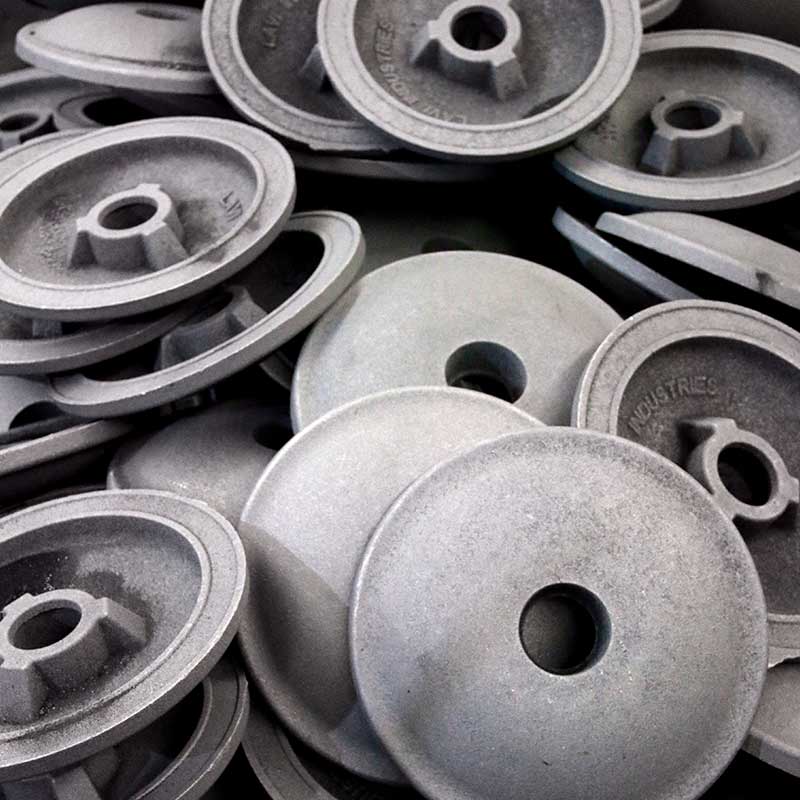
Cast iron nut
In the vast field of industrial fasteners, cast iron nuts are a basic but extremely important component. Due to their high cost-effectiveness and stable mechanical properties, they are widely used in various structural connections that require strength while being cost-sensitive.
Description
marker

Product Description
Industrial value and application of professional cast iron nuts
In the vast field of industrial fasteners, cast iron nuts are a basic but extremely important component. Due to their high cost-effectiveness and stable mechanical properties, they are widely used in various structural connections that require strength while being cost-sensitive. Unlike conventional steel or brass nuts, products formed by sand molding are characterized by a dense internal structure, excellent vibration damping characteristics and high wear resistance. They are particularly suitable for the foundations of large machinery, pipe supports, infrastructure and some heavy outdoor equipment.
Sand molding: the cornerstone of tradition and reliability
Sand casting (commonly known as sand molding) is the most classic and established process for making cast iron nuts. Its basic principle is to use low-cost, regenerated sand to create a casting mold, after which molten iron is poured into the mold to cool and solidify. This process is ideal for the production of parts with relatively complex geometries, medium production runs and without extreme surface quality requirements.
For cast iron nuts, the advantages of sand forming are obvious:
Highly flexible: does not require expensive metal molds, making it ideal for custom production of small batches and multiple sizes. When you need custom sizes, special thicknesses, or shaped nuts, sand molding allows you to quickly respond to requests by producing wood or resin models.
Cost-effective: For medium production runs, tooling costs are significantly lower than with precision casting, ensuring products are highly competitive in price while maintaining performance properties.
Wide Material Compatibility: Allows nuts to be manufactured from a variety of cast iron grades, such as gray cast iron (HT Series) and ductile iron (QT Series), to meet varying strength and toughness requirements.
Cast iron material: the perfect balance between strength and cost
Cast iron, especially gray cast iron, has become an ideal choice for many static or low-speed joints due to its excellent fluidity, wear resistance and damping properties. It does not strive for ultimate tensile strength, but achieves an outstanding balance between compressive strength, stiffness and cost.
Our sand cast iron nuts are usually made from HT200 or higher grades to ensure sufficient load-bearing capacity. For scenarios that require increased toughness and toughness (such as vibration-loaded heavy equipment applications), we can offer ductile iron nuts (such as QT450-10) that offer superior overall mechanical properties.
Customization Services: Meet Your Unique Needs
Standardized products cannot cover all application scenarios. We are fully aware of this and provide extensive customized services. Whether you need to resize standard nuts (OD, thickness, spanner size), adjust thread parameters (metric, imperial, unified) or add special functional features such as flanges, relief grooves or locking holes in the nut body, our engineering team is ready to provide you with complete solutions - from drawing verification to finished product delivery, leveraging the flexibility of the sand forming process.
This customization capability means you won't have to struggle to fit a special bolt or accommodate a unique mounting space. We can "bespoke" cast iron nuts to suit your exact design requirements.
From sand molding to the finished product: guarantee of reliability at all stages
The value of a reliable cast iron nut is evident at all stages - from melting to shipment from the factory. Our quality control begins with carefully selected cast iron, and we strictly control the chemical composition during the melting process. During the sand molding stage, we minimize defects such as shrinkage cavities and sand inclusions through scientifically proven gating system design. After the castings are removed, they undergo sand cleaning and shot blasting. Finally, key threaded areas are precision machined to ensure precise threading and smooth screwing.
Finally, each batch of cast iron nuts undergoes dimensional control and random mechanical testing to ensure compliance with established standards and your performance requirements. We understand that a tiny nut can provide stability

contact us
Related Popular Products
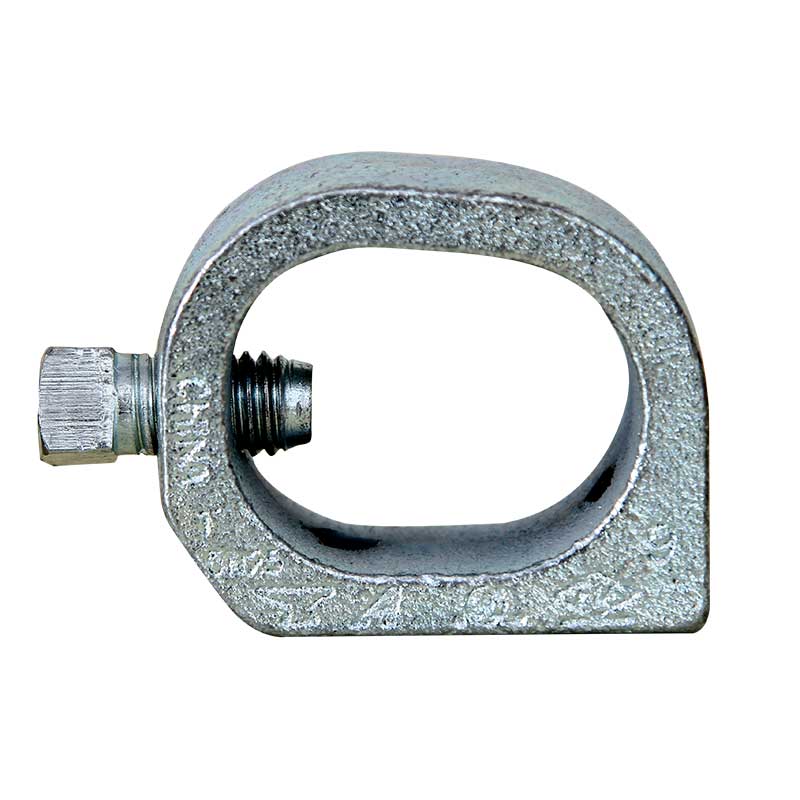
Beam clamp
ISO certified manufacturer of heavy beam clamps. Custom casting solutions using clay sand and shell molding. CE, UL, FM approved. Factory direct prices for US and EU markets. Request a quote today.
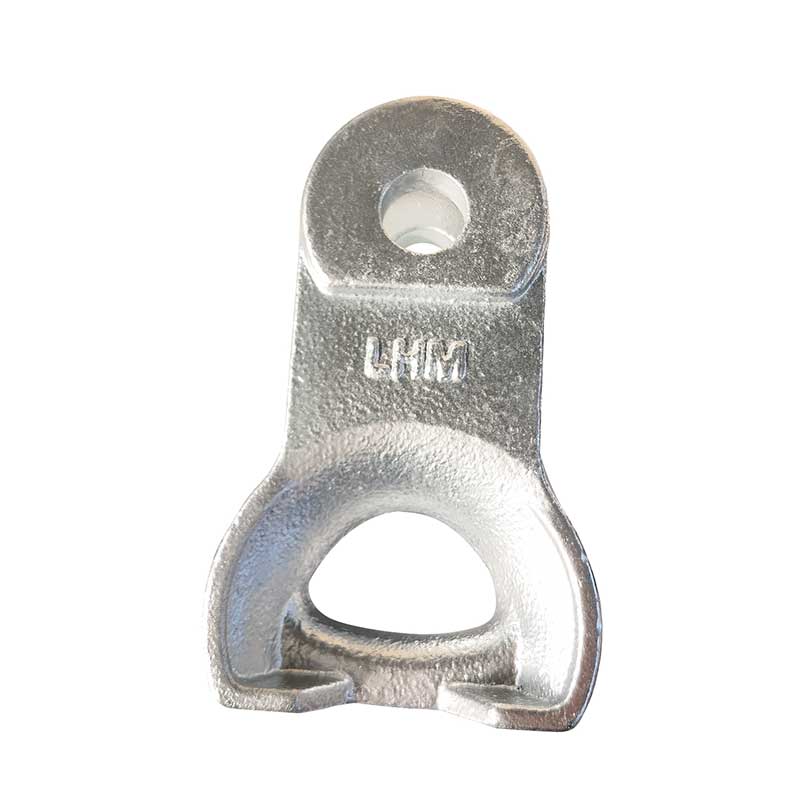
Nest eye
Our sand cast power socket eyelet is a high-strength multi-functional connection element specially designed for overhead power lines, substation insulator strings and distribution network overhead systems.
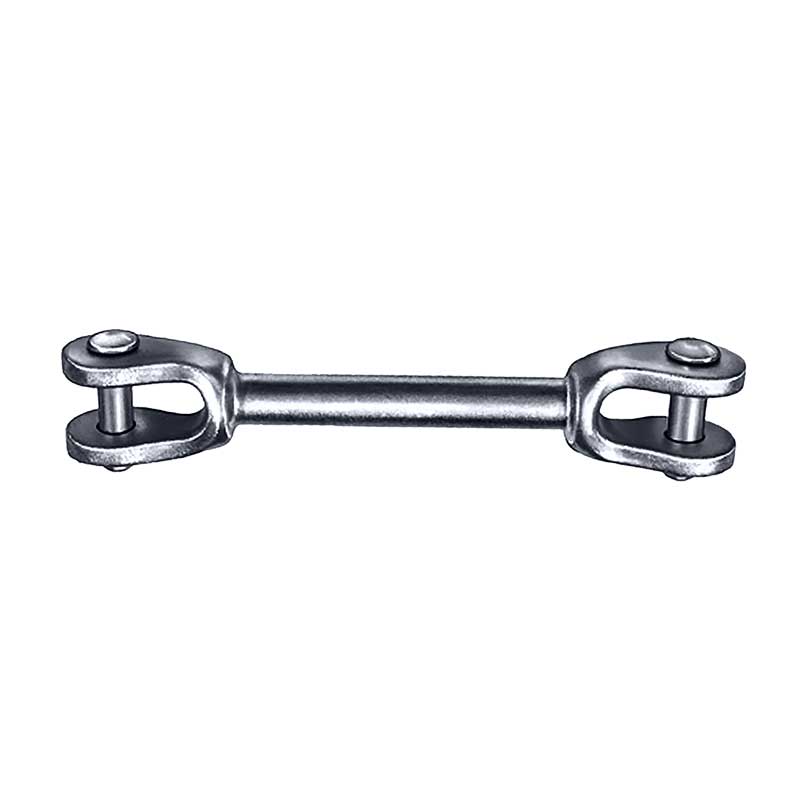
Eyelet
Our sand casting power lug is a critical one-piece connection mount specifically designed for overhead power lines, substation insulator strings and distribution grid overhead systems.
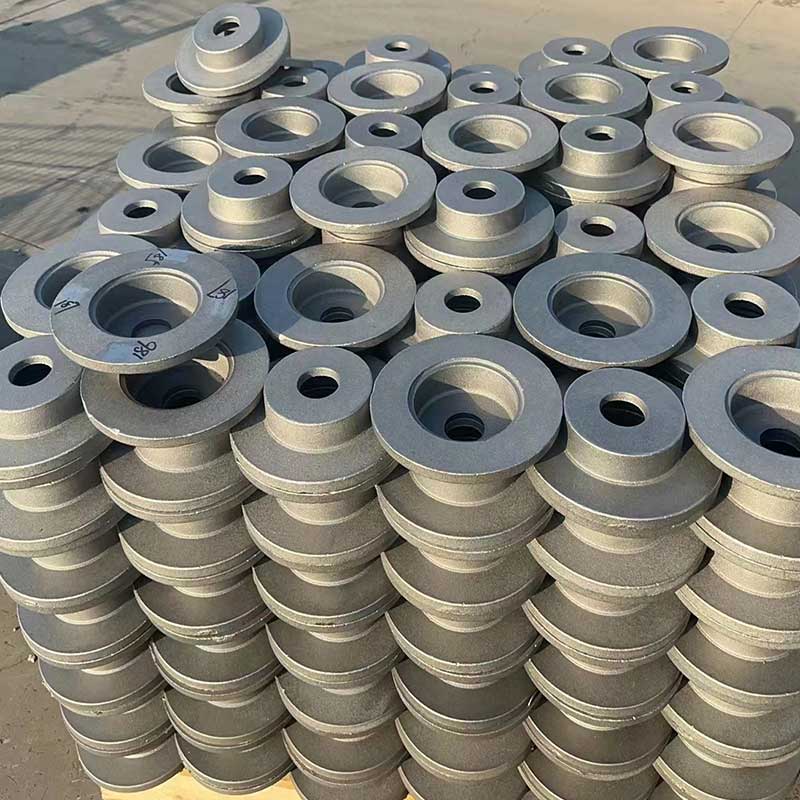
Spare parts for pumps
In industrial hydraulic systems, key components of pumps and valves are critical factors that determine the pressure load capacity, tightness and service life of the entire equipment.
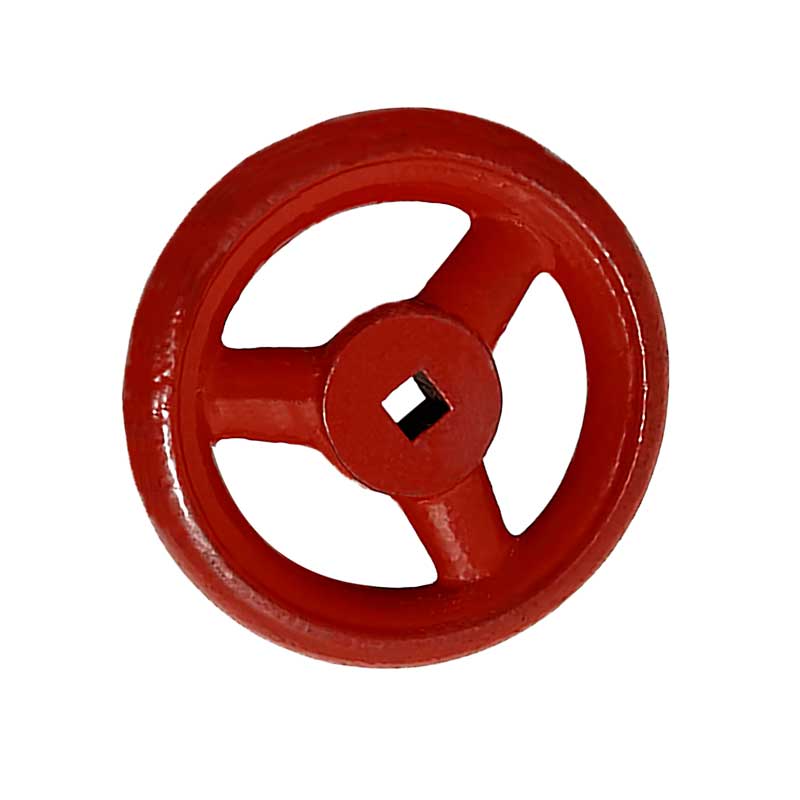
Valve handwheel
Durable industrial handwheels for gate valves, gate valves and butterfly valves. High-strength options in cast iron, steel and aluminum with precision machined hubs. ISO 9001 certified manufacturer offering OEM/ODM services. Global delivery from Qingdao, China.
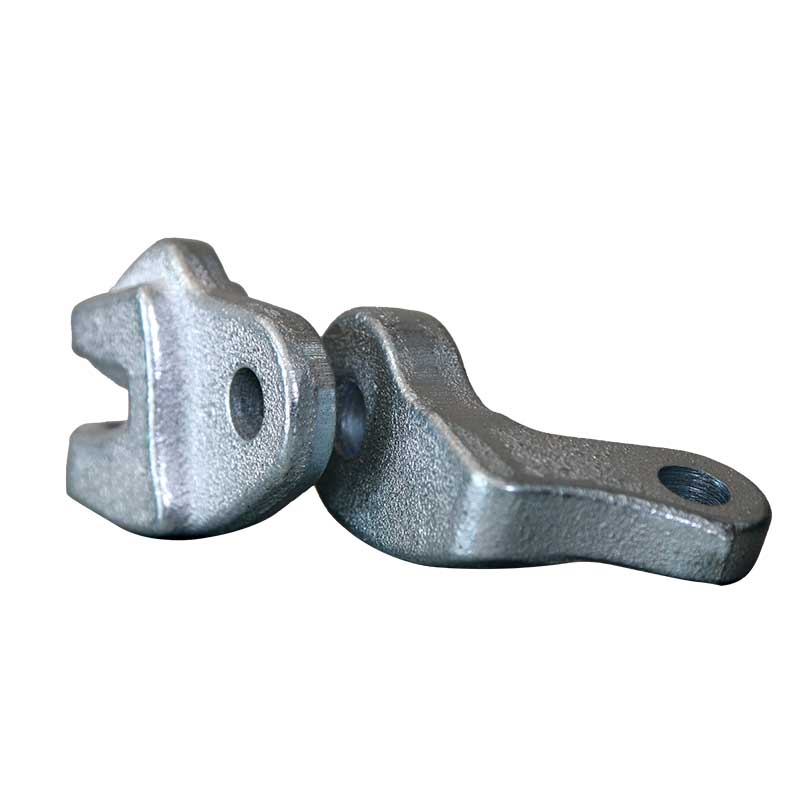
Universal structural fastening
Engineering universal structural fastenings for severe operating conditions. ISO 9001 certified foundry offering custom casting (clay sand/shell molding) for the US, EU and South American markets. High strength, corrosion resistance, conforms to ASTM/DIN standards. Request a quote.
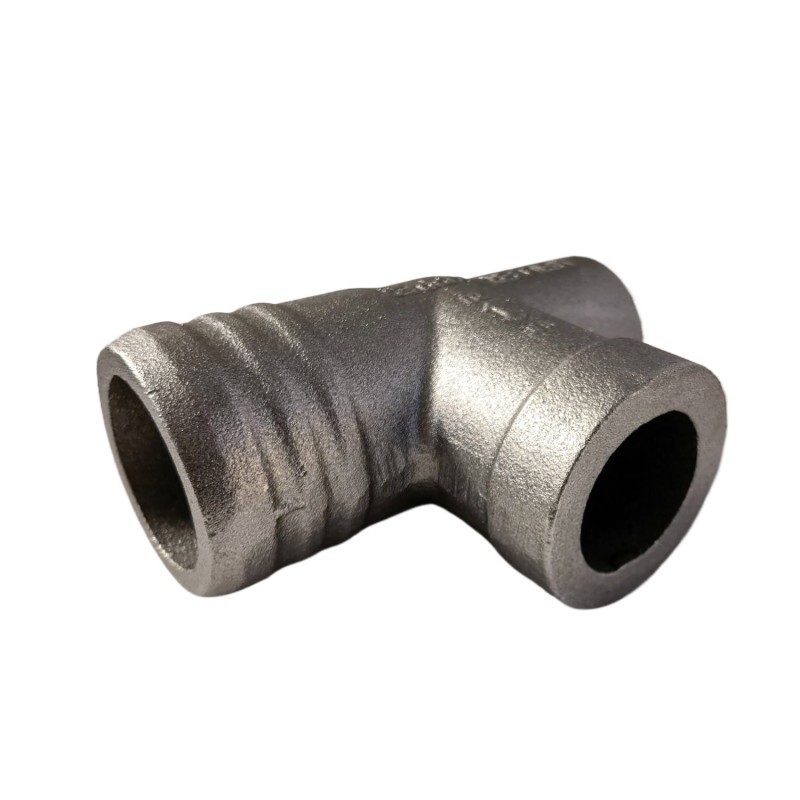
Pipe fittings
As key fittings designed for water and wastewater systems, municipal piping, building plumbing and other critical applications, our premium cast iron fittings are produced by sand casting from molten cast iron.
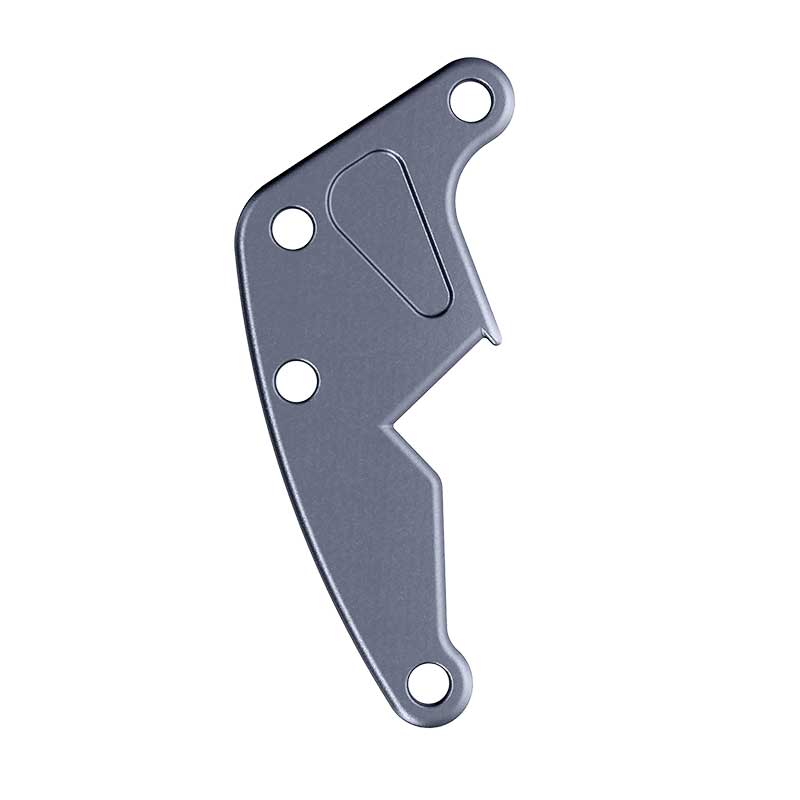
Fork plate
Our sand-cast power connection plate is a critical load-bearing element of linear reinforcement, specially designed for overhead power lines, substation insulation hangers and suspension systems in renewable energy power grids.
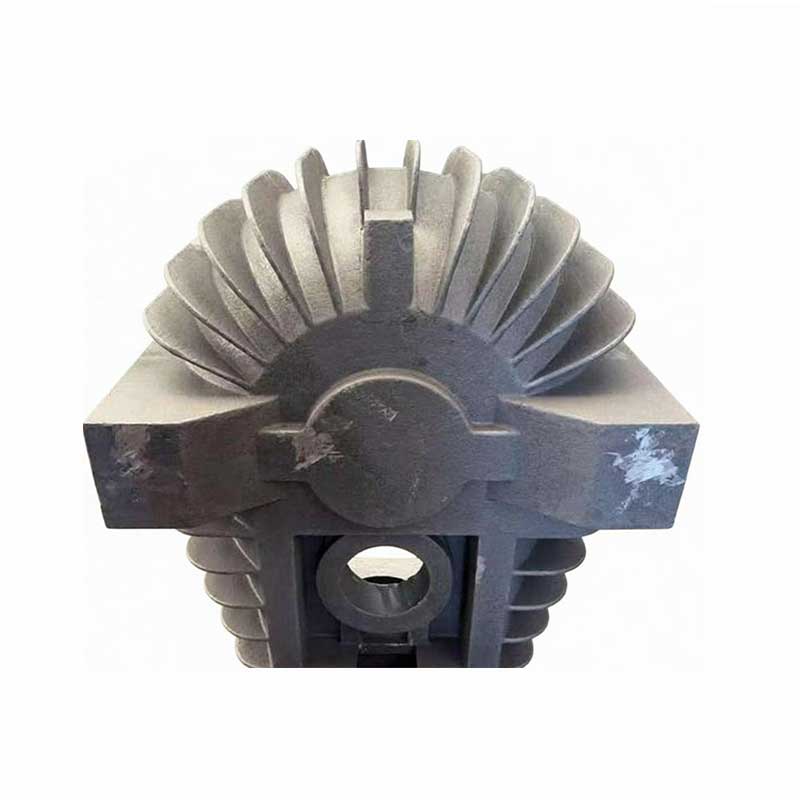
Accessories for mining equipment
Gray cast iron (SCh250, SCh300) is widely used for machine frames, engine blocks and body parts due to its good machinability and ability to dampen vibrations.
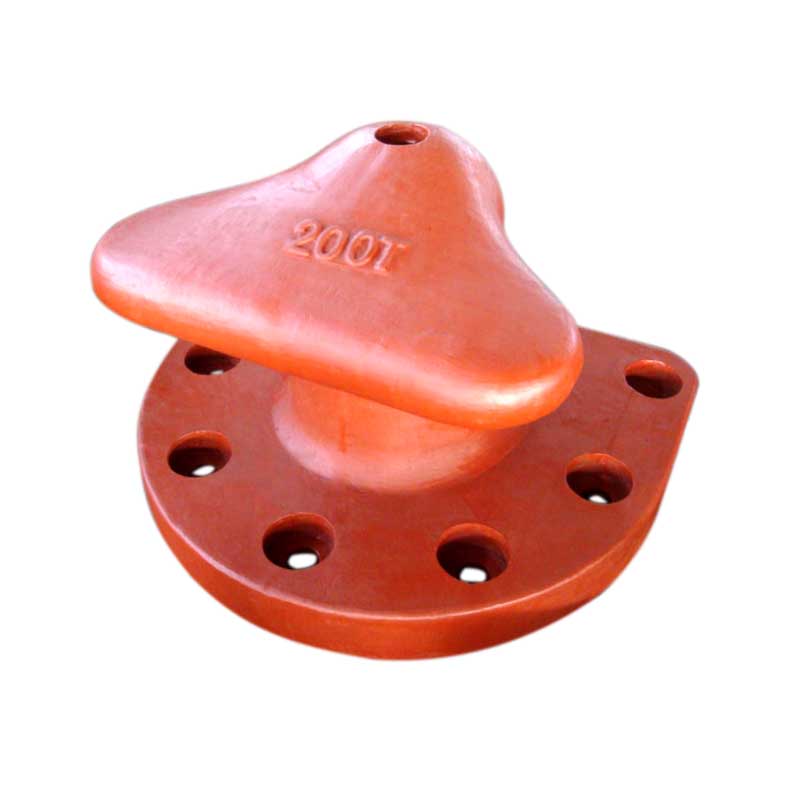
Bollard
Cast iron mooring bollards are essential mooring devices widely installed on quays, piers and jetties to reliably transfer mooring forces from moored vessels to the pier structure.
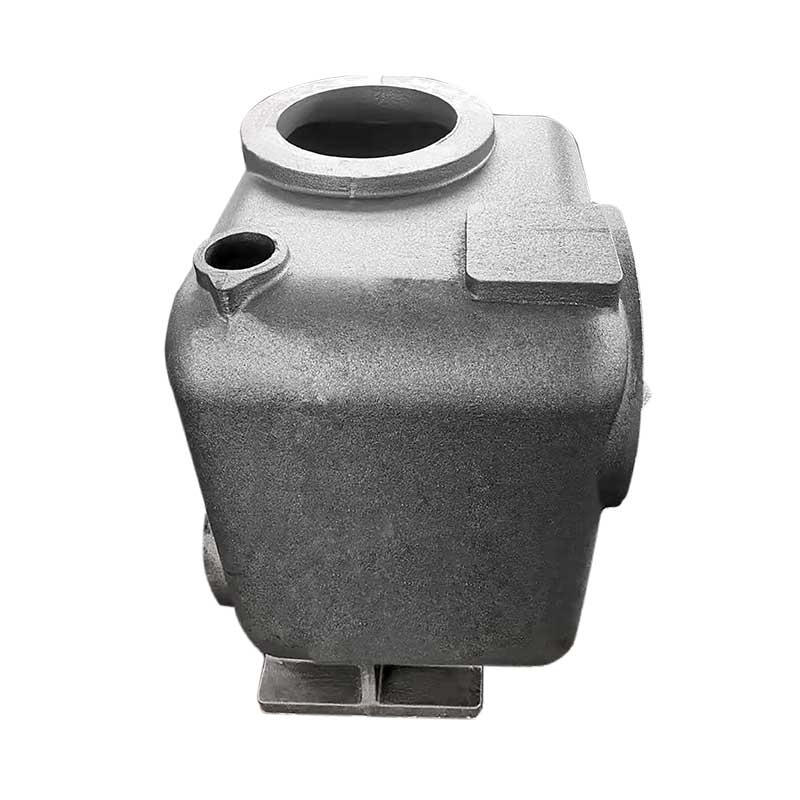
Pump impeller
High efficiency cast pump impellers for industrial, agricultural and marine applications. Precision casting from SS304/316 stainless steel, duplex steels, cast iron and bronze. ISO 9001 certified, dynamic balancing and CNC machining. OEM and ODM services are available. Global delivery from Qingdao.
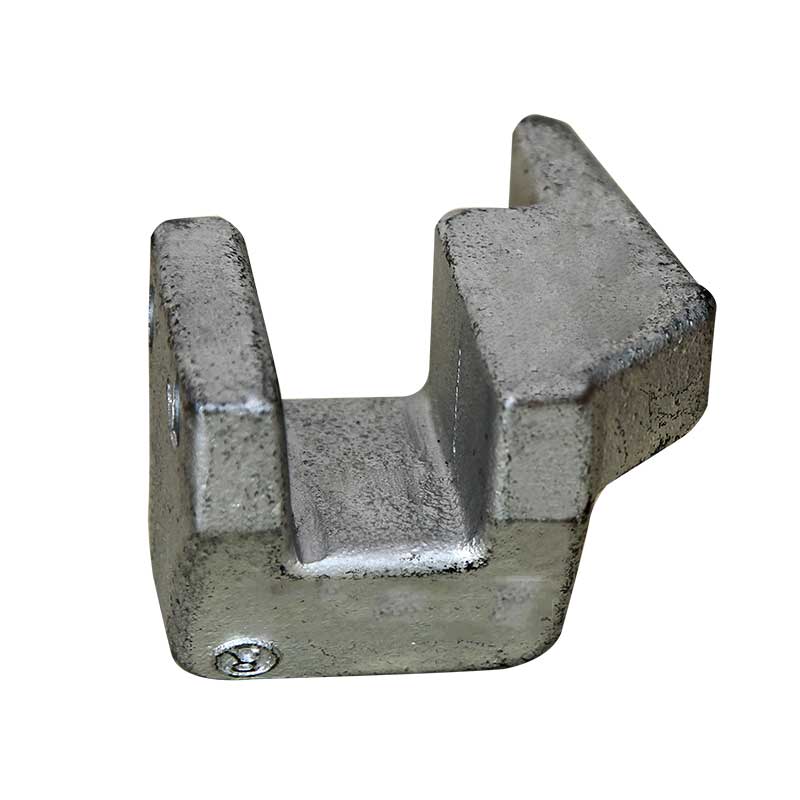
Beam truss
Our sand cast beam truss is a high strength load-bearing structural element specifically designed for building slabs, suspended ceiling systems and industrial platforms.
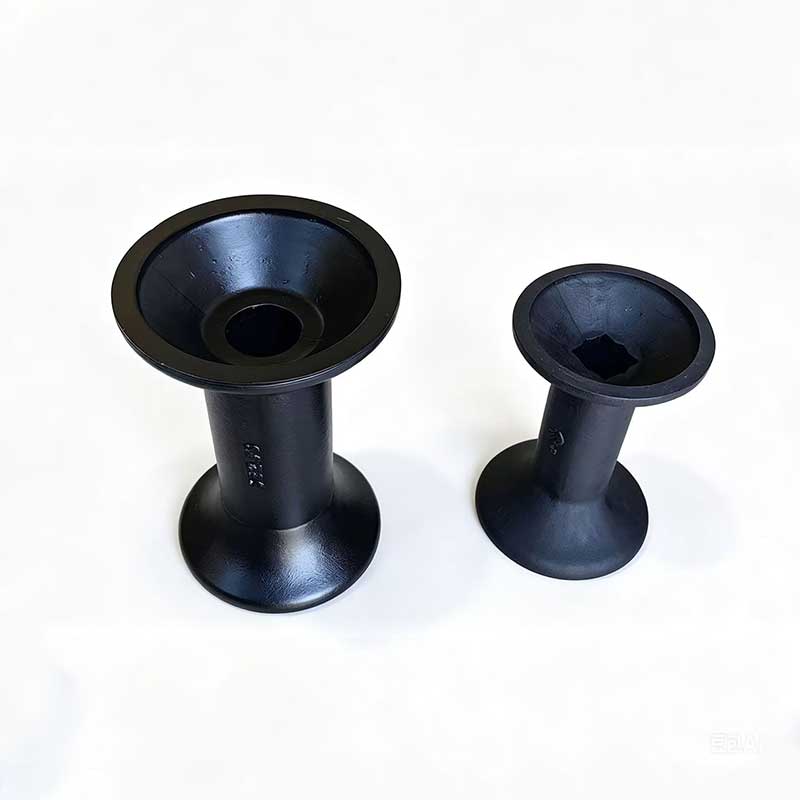
Parts for agricultural machinery
Agricultural machinery operates in harsh field conditions with high loads, where the reliability of spare parts directly determines uptime and harvesting efficiency.
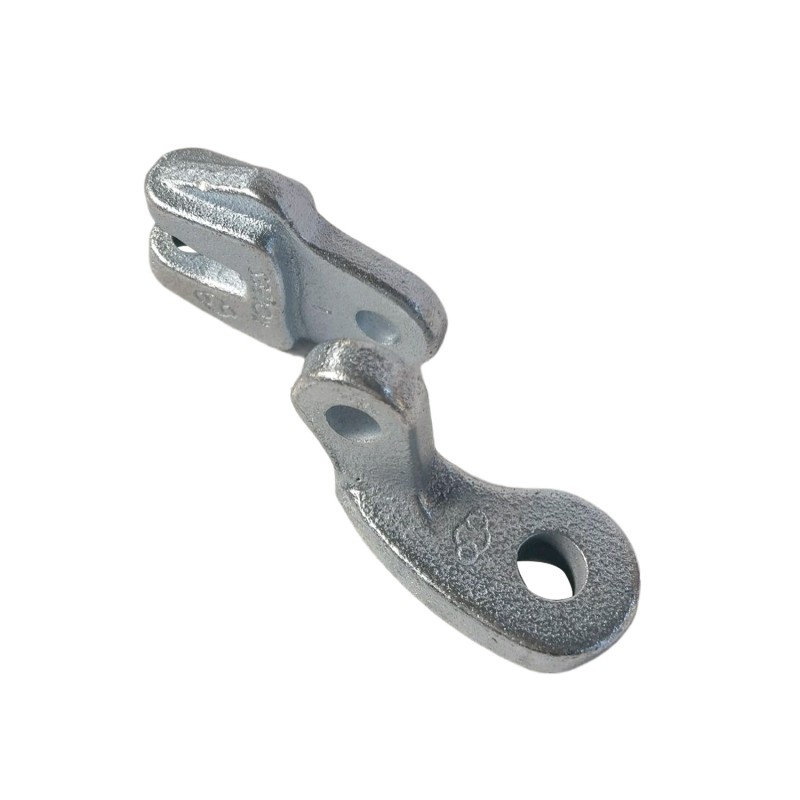
Hanging clamp
Our sand cast overhead power line clamp is a high-performance precision load-bearing and fixing element designed for overhead power lines, distribution networks and substation overhead systems around the world.
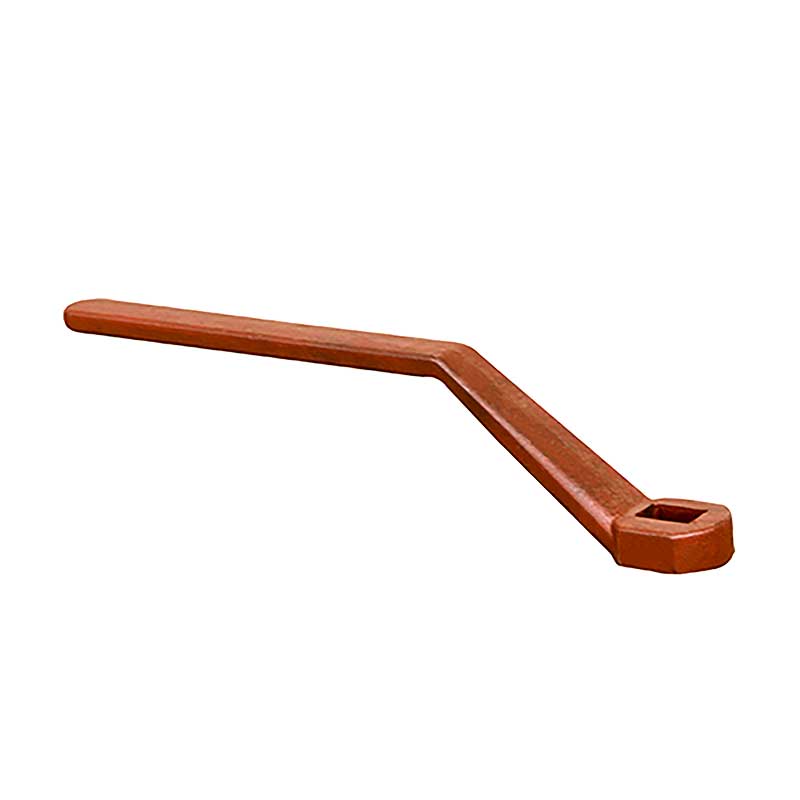
Valve handle
High quality industrial handles and handwheels for gate valves, gate valves and butterfly valves. Made from durable cast iron, steel and aluminum. ISO 9001 certified, ergonomic design, API/ISO compliant. Customized OEM/ODM service is available. Export worldwide.
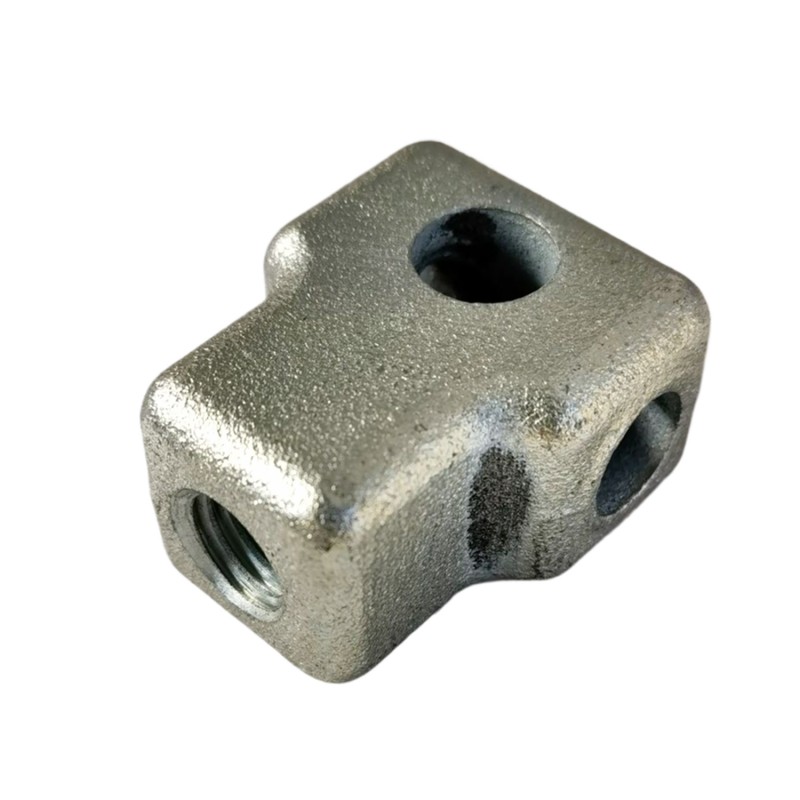
Hanging connector
Our sand cast hanger clamp is a durable, specialized line fitting designed for overhead power lines, substation busbar systems and new energy grid connections.