
-


-


-


-


WeChat

-
whatsapp

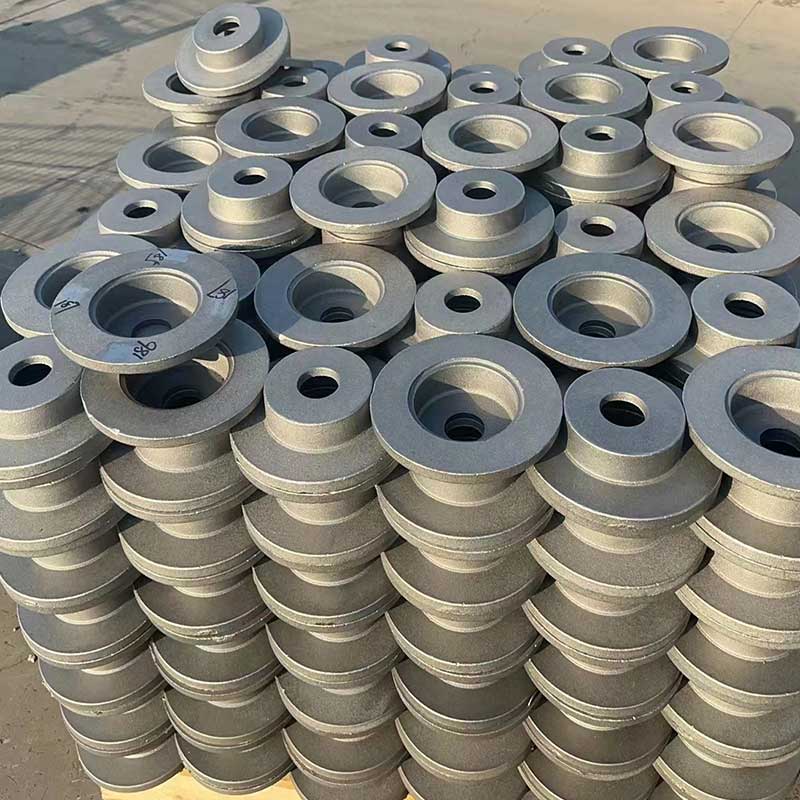
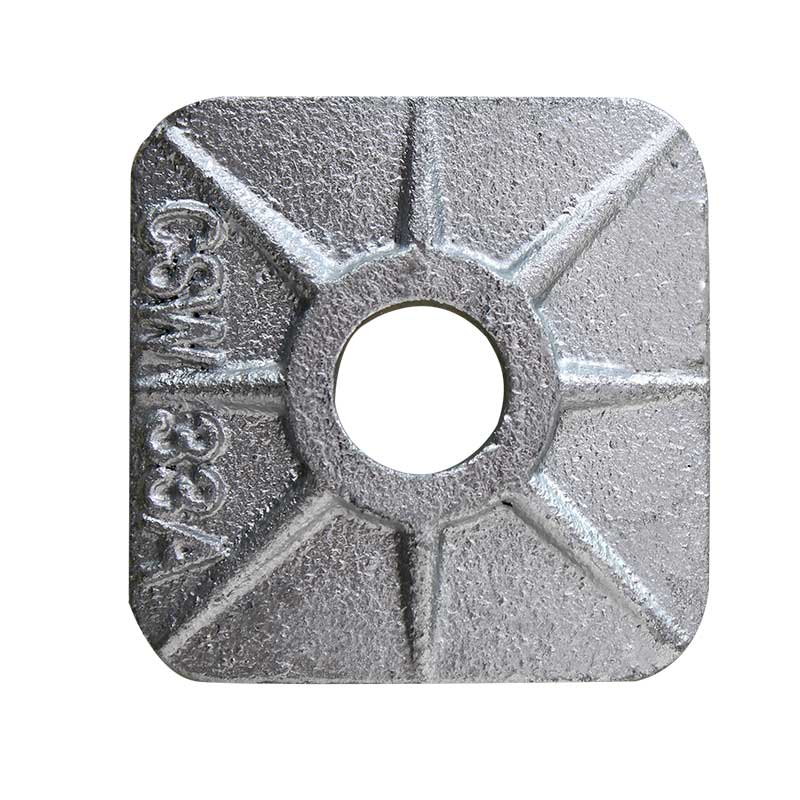
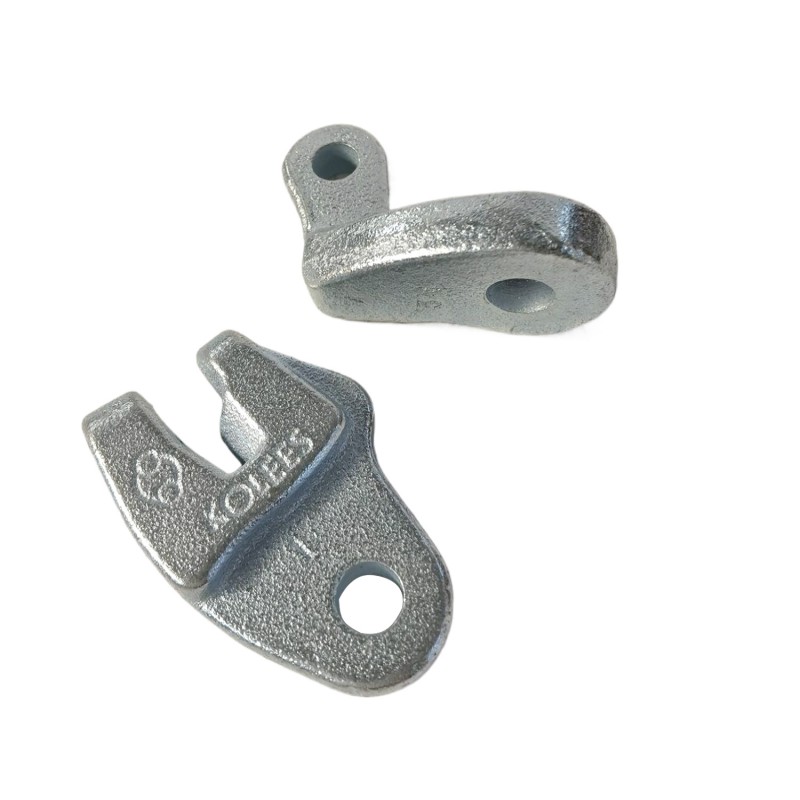
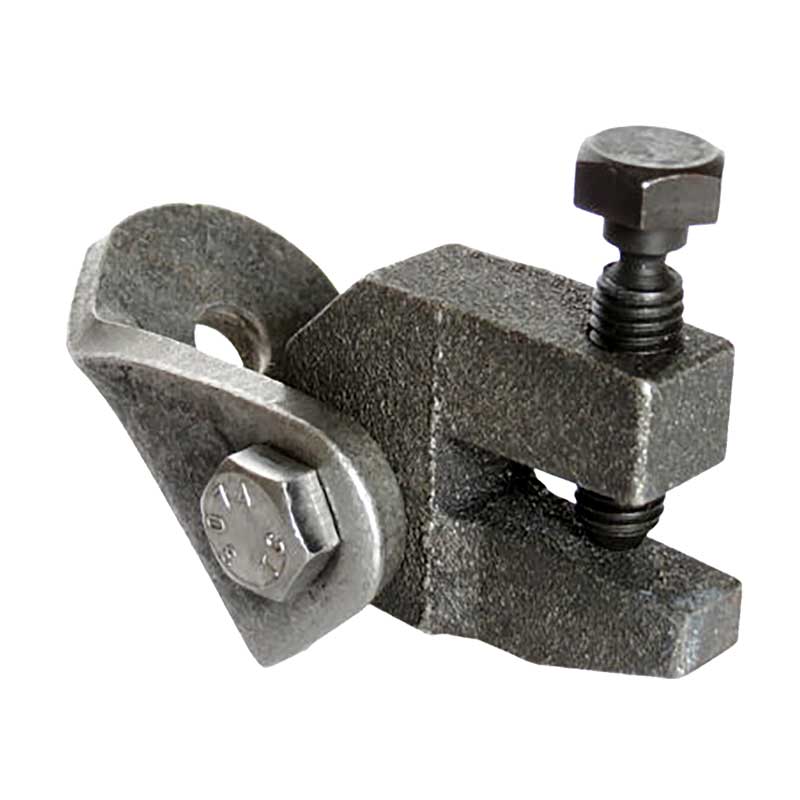
CUSTOMIZED IRON CASTINGS / QT600-3
2026-06-28
QT600-3 features high tensile strength and hardness, with a matrix consisting of pearlite and a small amount of ferrite. It is suitable for components subject to high stress.
Chemical composition control
Carbon (C): 3.0%~3.5%. The carbon content is slightly lower than the QT400 series to reduce the amount of graphite and increase matrix strength.
Silicon (Si): 1.8%~2.8%. Moderate silicon content ensures good fluidity of the melt without excessive softening of the matrix.
Manganese (Mn): 0.3%~0.7%. A corresponding increase in manganese content stabilizes perlite and increases strength and hardness.
Alloying elements: Small additions of copper (Cu: 0.3%~0.5%) or tin (Sn) are often used to further refine the perlite and increase strength and wear resistance.
Melting, modification (spheroidization) and inoculation treatment
Modification (spheroidization): similar to QT400 grades, however residual magnesium content must be strictly controlled. Excess magnesium can cause the formation of excess ferrite or carbides in the matrix.
Inoculation treatment: The inoculator dosage is slightly lower than for QT400. The priority is to produce small, well-rounded graphite inclusions rather than maximizing the amount of graphite.
Heat treatment (key stage)
QT600-3 typically requires normalization followed by tempering to achieve the desired pearlite matrix.
Normalization
Heating of castings to 880~930 °C and holding for 2–4 hours to completely austenitize the matrix, followed by cooling in air (or forced blowing) outside the furnace. Rapid cooling suppresses ferrite precipitation and promotes pearlite formation.
Vacation
After normalization, castings have high internal residual stresses and may have excessive hardness, so tempering is required to relieve stress. Heating to 550~600°C, holding for 2-4 hours, then cooling in air. This procedure eliminates internal stresses and ensures a balance between hardness and toughness.